India Eyes $150 Billion Electronics Export Target as Government and Industry Hold Chintan Shivir in Delhi

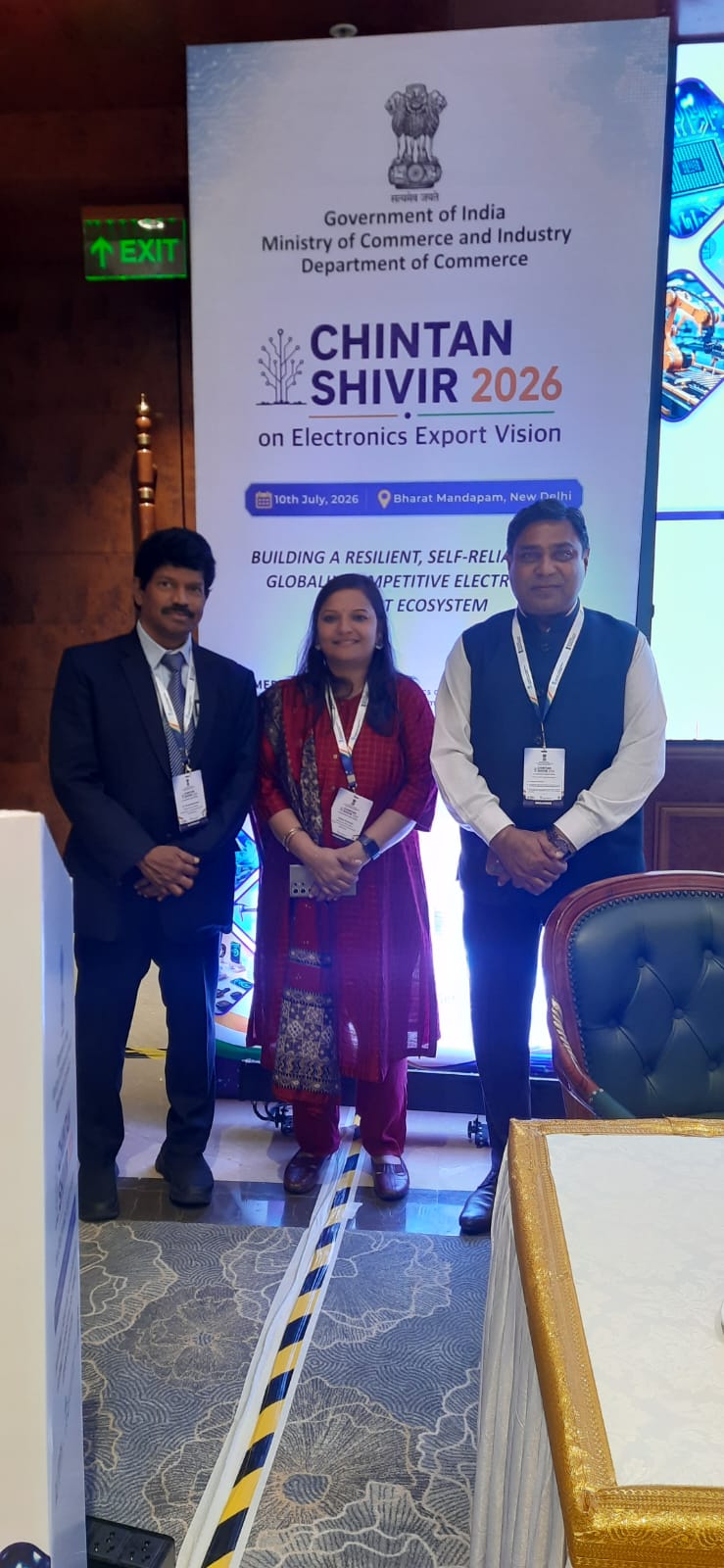
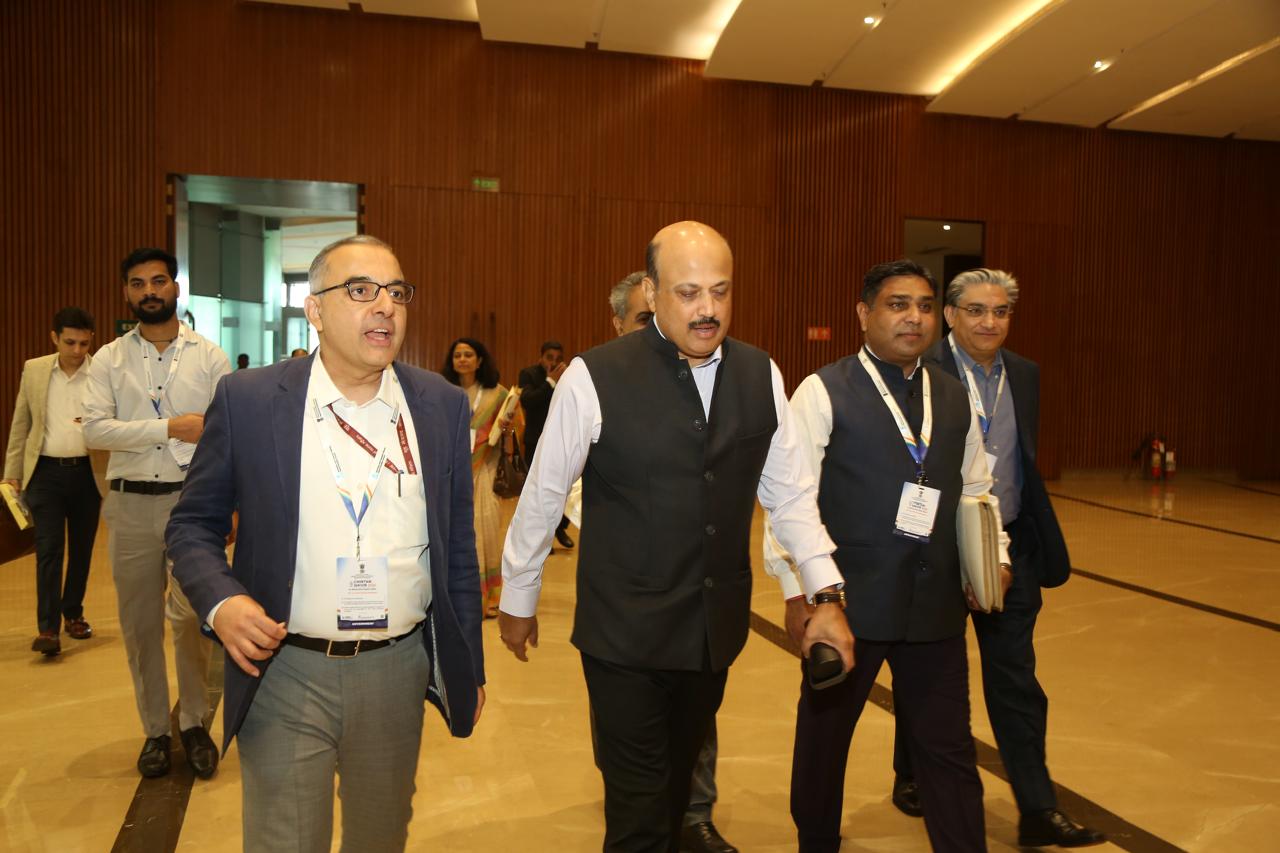
New Delhi, July 10, 2026: The Department of Commerce under the Ministry of Commerce & Industry, together with the Mobile and Electronic Devices Export Promotion Council (MEDEPC), the Electronics and Computer Software Export Promotion Council (ESC), and the Telecom Equipment and Services Export Promotion Council (TEPC), organised a “Chintan Shivir” brainstorming session at Bharat Mandapam in the capital on Friday. The gathering brought together senior government officials, industry leaders and policy experts to chart the future course of India’s electronics manufacturing and export ambitions.
Senior Officials Steer the Discussions
The session was led by Department of Commerce Secretary Rajesh Agrawal, Special Secretary Suchindra Misra, and Directorate General of Foreign Trade chief Lav Agarwal, along with Joint Secretaries Manish Chadha and Vimal Anand. They were joined by representatives from the central government, state administrations, industry associations and export promotion bodies, all weighing in on the opportunities and obstacles facing India’s electronics sector as it looks to deepen its role in global supply chains.
Industry Majors Add Their Voice
The event drew participation from some of the biggest names in electronics manufacturing and exports, including Apple, Samsung, Amber Enterprises, Dixon Technologies, Micromax, Tata Electronics, Syrma SGS Technology, Bora Exim, Aequs, Foxconn and boAt, alongside a host of other manufacturers, exporters and trade bodies. Their presence ensured the conversation covered manufacturing practices, trade facilitation, and investment from multiple angles.
A $150 Billion Roadmap by 2030
A key highlight of the session was the roadmap presented for India to touch $150 billion in electronics exports by 2030, alongside plans to strengthen the country’s semiconductor and components ecosystem. Officials pointed to strong export potential in smartphones, servers and specialised electronic components, while stressing how resilient global supply chains and well-directed policy support could help India emerge as a top destination for electronics manufacturing.
Industry Flags Duty Structures and MSME Inclusion
An extended Open House Discussion gave industry representatives direct access to senior Commerce Department officials. Participants pressed for a review of duties on inputs used in fast-growing export categories, and called for urgent correction of inverted duty structures to keep Indian electronics exports competitive globally. Strong emphasis was also placed on bringing MSMEs — which together account for close to 90% of global electronics trade — into larger value chains as suppliers to bigger manufacturers. Better alignment of HS codes and closer coordination with Customs to reduce product misclassification and smoothen exports were also raised as pressing priorities.
“Global value chains are becoming the driving force behind the electronics industry worldwide, and for these chains to expand within India, our policies need to offer the kind of predictability and consistency that businesses can rely on. The purpose of this Chintan Shivir was to open up honest dialogue and arrive at practical, balanced policy suggestions that push India further toward becoming a top global hub for electronics manufacturing and exports.” — Rajesh Agrawal, Secretary, Department of Commerce
“Keeping up India’s export growth in electronics isn’t just about manufacturing efficiently — it also depends on strong marketing efforts that help Indian products gain recognition in key international markets. Feedback from industry will be essential in shaping training programmes that deepen understanding of trade agreements and shifting global demand trends.” — Suchindra Misra, Special Secretary, Department of Commerce
Road Ahead
The Chintan Shivir concluded with all stakeholders agreeing to carry the dialogue forward through structured follow-up discussions, aimed at converting the ideas raised into concrete policy measures that strengthen India’s electronics manufacturing base and export competitiveness in the years ahead.