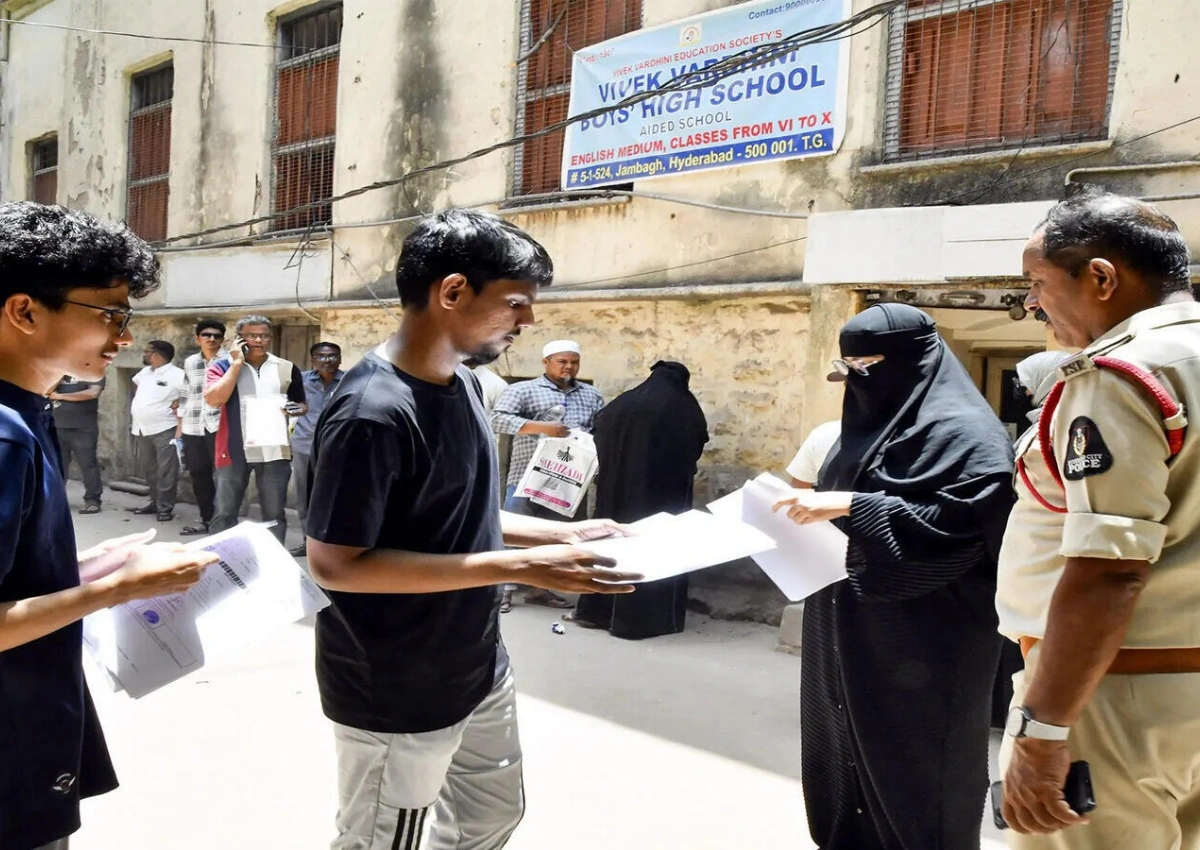
The National Testing Agency (NTA) has officially declared that the NEET UG 2026 re-examination scheduled has now been scheduled on 21 st June, 2026. NEET UG 2026 re-exam, which was scheduled to be held earlier but cancelled following the paper leak controversy across India. The decision was taken after several days of students protests, political backlash against the government, court petitions and CBI investigation against an alleged whatsapp and telegram groups network involved in cheating.
For lakhs of aspirants all over the country, news of postponement has created a mixture of relief and anxiety.
Students who wanted clarity on the new examination date are also asking if the system is able to ensure justice and transparency following one of the most widely exposed examination scams in recent times. The NEET fallout has become so much more than an education issue now. It has turned into a nationwide debate on exam reliability, cheating over the internet, student mental health and institutional responsibility.
Why NEET UG 2026 Was Cancelled
Nepalese NEET UG 2026, which was held on 3 May, was cancelled due to leaks of substantial parts of the question paper before the exam. An inquiry suggested that “guess papers” being circulated on WhatsApp groups copied the questions in the exam quite accurately. More than 100 questions reflected the leaked material.
As public fury swept the country, the Government passed responsibility for investigation to the CBI, and the NTA announced that the examination “couldn’t be allowed to remain in place”. The cancellation elicited an emotional response because NEET is one of the most competitive entrance examinations in the country. For hundreds and thousands of students, the hope, anticipation and work done over many years, months, even days were cast into question overnight.
The New Exam Date and What Students Need to Know
The NTA has recently confirmed the re-test date as Sunday, 21 June 2026, and authorities have clarified that candidates won’t have to apply afresh for the re-test as the application data and candidates’ data will be applicable for the re-test, and candidates can download new admit cards with new exam centre details from the official NEET website (which is being separately issued).
Examination will be held in offline pen and paper-based mode again, and authorities have announced tougher security arrangements for re-examination.
However, despite the announcement, uncertainty continues among students regarding:
- Exam centre allocation
- Counseling delays
- Admission timelines
- Further security concerns
- Possibility of future irregularities
Many aspirants are also worried about maintaining consistency in preparation during the additional waiting period.
Supreme Court and Demand for NTA Reform
The issue has now reached the Supreme Court. Several petitions are filed seeking structural changes in the NTA and the separation of examinations at the national level from judicial control. FAIMA (Federation of All India Medical Association), apparently petitioned in the Supreme Court to replace/ radical overhaul of the NTA.
The petition states that failure in exams time and again is a clear indication of “systematic failure” of a system of exam administration. Several petitioners demanded-
- More robust cybersecurity solutions.
- Monitoring through AI techniques
- Digital locking of question papers.
Digital Cheating and the New Examination Challenge
The NEET paper leak controversy highlights a larger problem that plagues the modern examination structure, one of nefarious networks of digital fraud. Authorities investigating the leak reportedly discovered:
- WhatsApp groups sharing papers
- Telegram-based communication channels
- Organised leak distribution networks
- Cross-state coordination among suspects
Examination authorities are also turning learners toward digital surveillance, biometrics and AI monitoring.
Questions Around Fairness and Merit
The NEET controversy has thrown up its questions on the competency of India’s competitive examination culture once again. Entrance exams are meant to provide an opportunity based on meritocracy.
They’ve been under tremendous pressure owing to several paper leak controversies in the recent years. So the crisis in itself has gotten the symbolic meaning of a bigger trust problem in the educational system.
Critics argue that:
- Honest students are repeatedly punished
- Organised leak networks exploit systemic weaknesses
- Excessive dependence on single exams creates vulnerability
- Coaching culture increases pressure and inequality
Counselling and Admission Delays
A re-exam is also likely to cause the delay of the medical admissions for the academic session of 2026. College admissions, seat allocations and NEET counselling are directly dependent on the timelines of the examination.
The postponement may affect:
- Medical college schedules
- Academic calendars
- Counseling procedures
- Hostel and migration plans for students
Still, students and parents are concerned that further postponements may get the system totally out of gear. Seems like the educational institutes are now awaiting a decision on the new counselling deadline after the June 21 re-exam.
Conclusion
The NEET UG 2026 examination, scheduled on June 21, is an important move in trying to regain trust after a prominent examination scam happened in the recent past. Though the announcement clears the air for now, it’s only another step forward and bigger issues of fairness, doubts on integrity and reform still remain.
For millions of students, it isn’t only a delayed exam but a question of trust in a system that helps build careers, opportunities and lives.
How successful the re-examination turns out to be won’t only rely on whether the test itself is a matter of ease, but also whether students have faith in Really merit, transparency and justice are in fact safeguarded.