The Five Great Festivals of Kartik: From Dhanteras to Yama Dwitiya, Pt. Rajkamal Sharma on Light, Prosperity and Protection
Why the five days of Panch Mahaparva hold a special place in Sanatan Dharma, and the beliefs traditionally attached to each
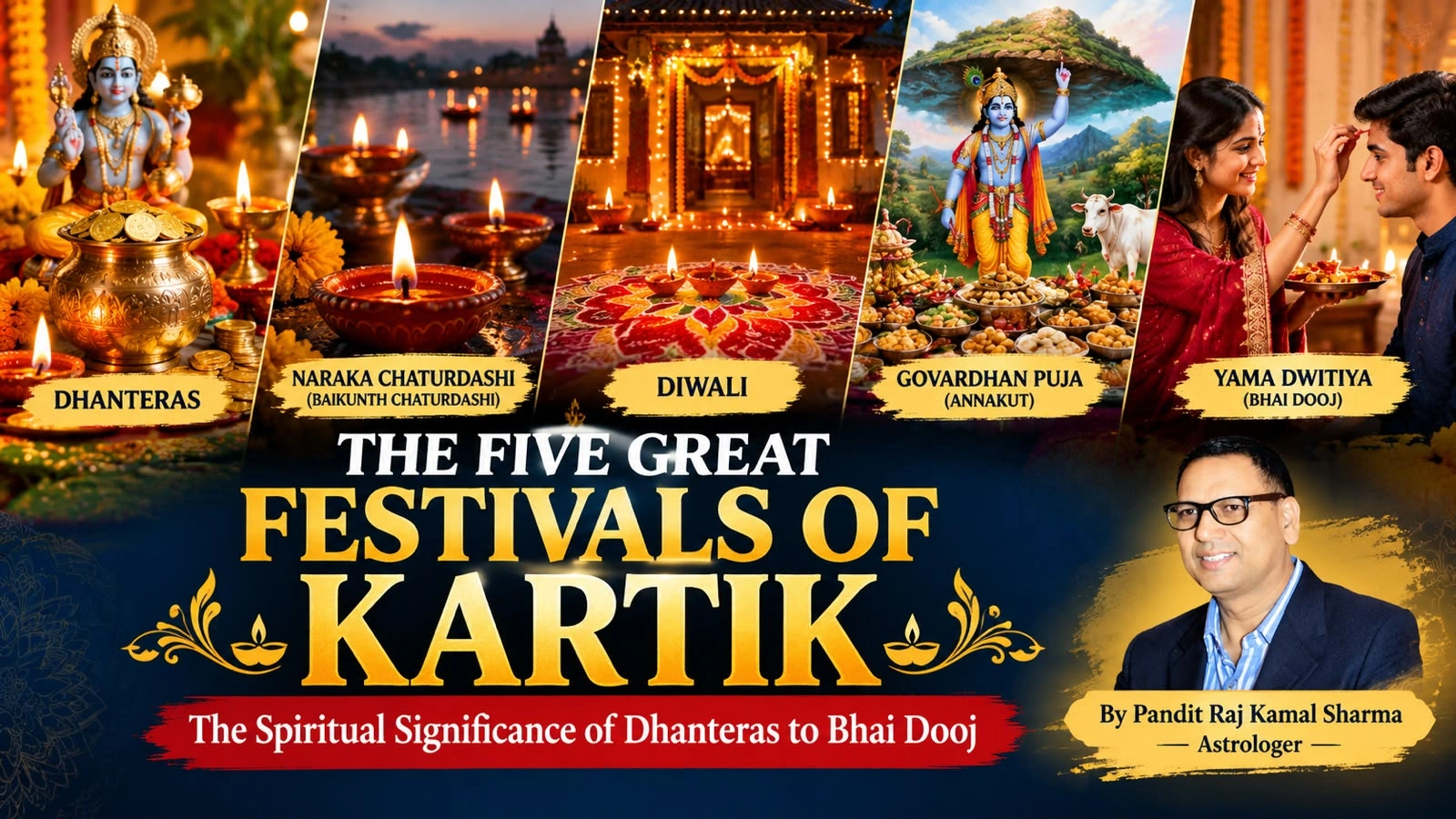
Pt. Rajkamal Sharma writes that India has long been seen as a land of divinity, and that the greatness of its Puranic civilisation has been recognised across the world despite natural hardships. Every fast and festival here carries mythological and religious meaning, he says, and many are now also being understood through the scientific thinking behind them. This piece looks at the five festivals of Kartik, the Panch Mahaparva that runs from Dhanteras to Yama Dwitiya.
Why the Five Festivals of Kartik Matter
For the author, poverty is a blot on humanity, and darkness, laziness and ignorance are a curse on human society. The Panch Mahaparva, he writes, stands for freedom from laziness, ignorance, darkness and misfortune, and he points out that wealth makes possible what physical strength alone cannot.
Each month in the Sanatan scriptures has its own flavour, but Kartik gets a special place because this is when Lord Vishnu is believed to rise from his yogic sleep. The month starts the morning after Sharad Purnima, and from then on the gods are said to celebrate across the universe. Kartik is thought to be especially close to Lakshmi-Narayan, and the author says it can wipe out illness, suffering and sin. Every day of the month is considered holy, yet the run of five festivals from Dhanteras to Yama Dwitiya stands apart. Together, these five festivals of Kartik form the heart of the Diwali season.
Dates are as per the Drik Panchang for New Delhi; some calendars and cities show a day’s difference, so confirm with your local Panchang.
Festival 1: Dhanteras
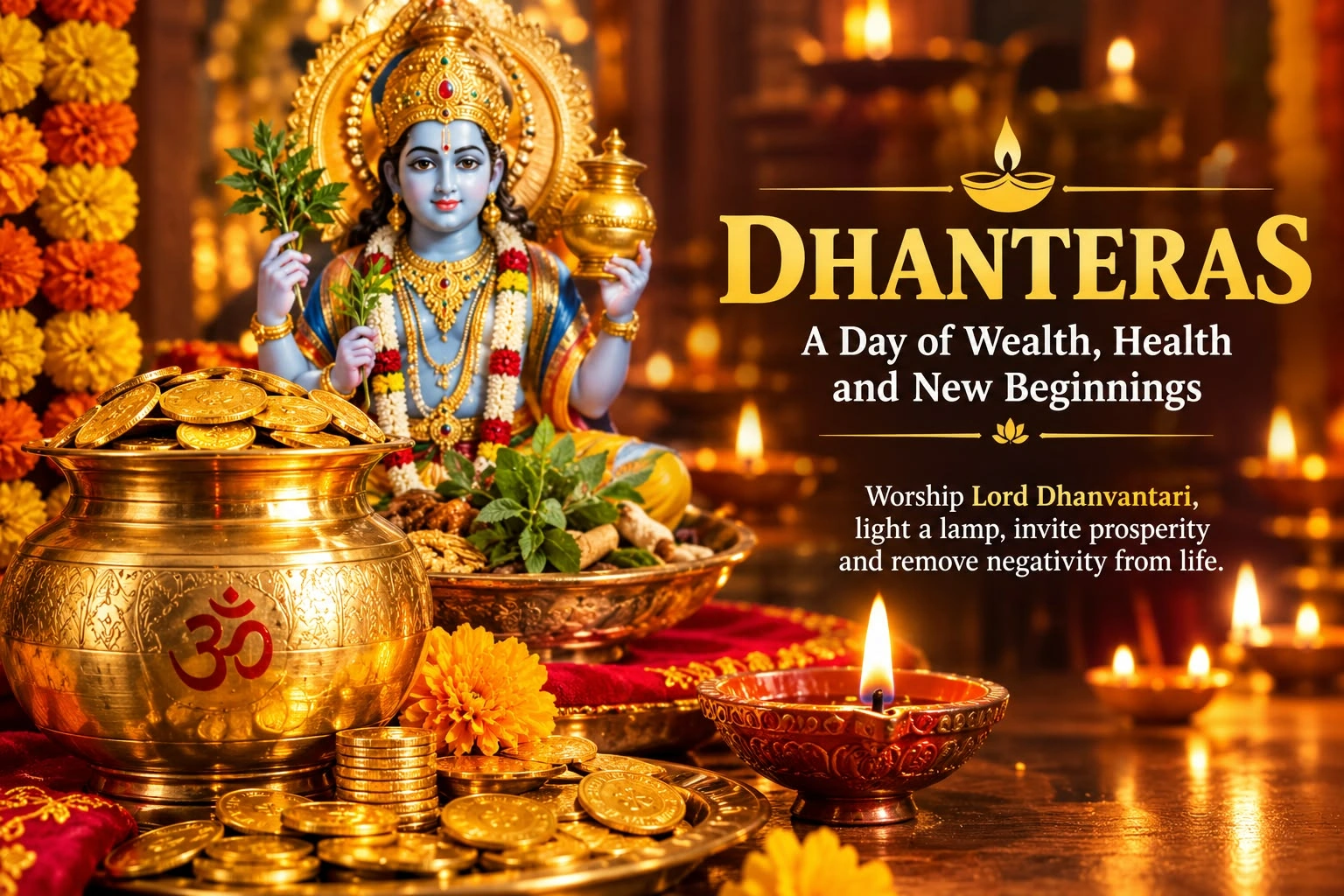
Dhanteras is where the festival of lights begins. Citing Hindu scriptures, the author says a lamp lit facing south on this day is believed to keep away the fear of untimely death, and that lamps on Dhanteras are thought to drive off disease and poverty as well. The day is also the birth anniversary of Lord Dhanvantari, the deity of medicine, and prayers to him are believed to strengthen the effect of medicines and healing remedies.
He also recalls an older custom: physicians once collected medicinal herbs from forests on Sharad Purnima and kept worshipping them until Dhanteras, in the hope of awakening their healing power.
Festival 2: Naraka Chaturdashi
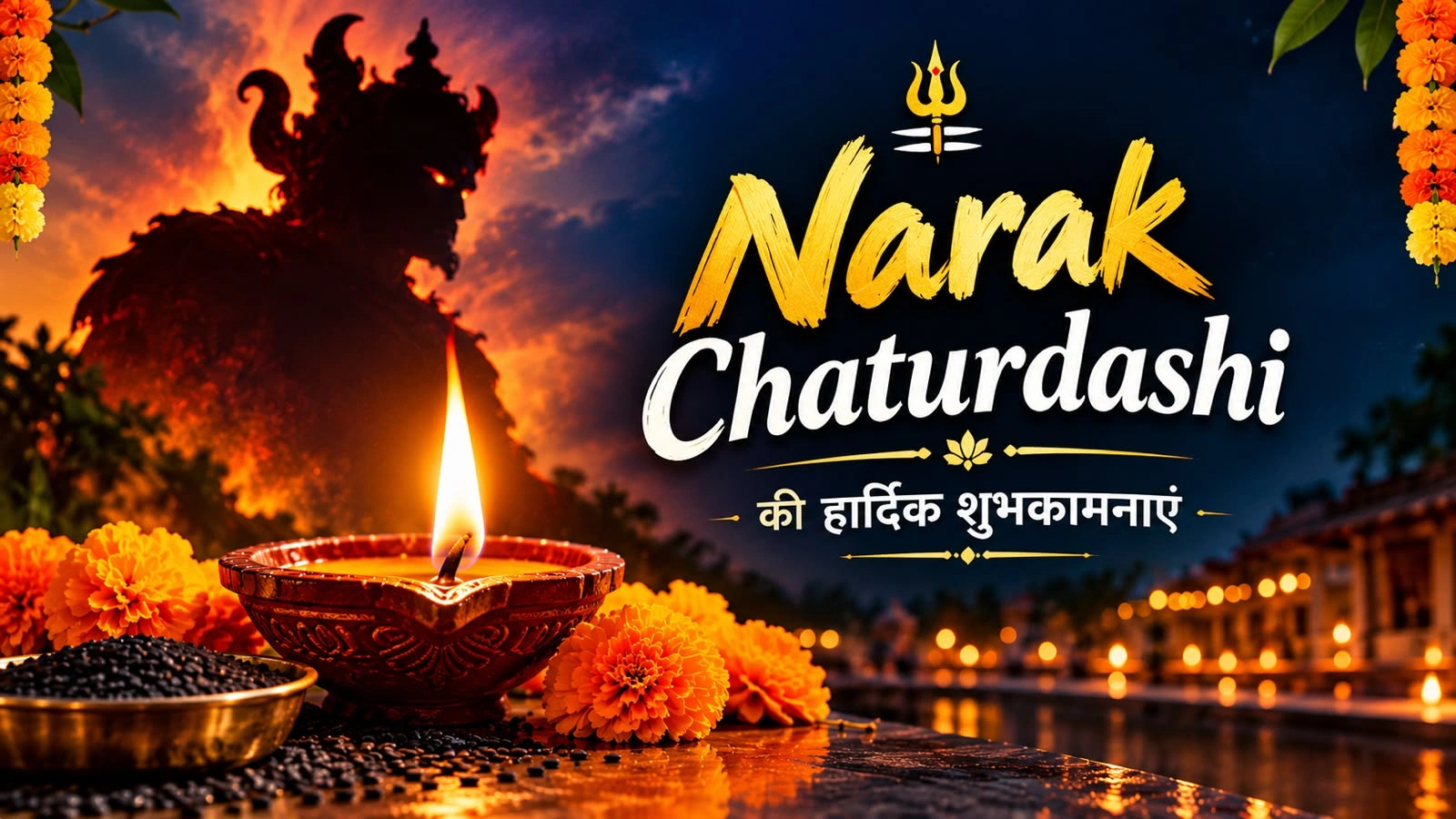
Naraka Chaturdashi comes next. The author connects it with protection from physical deformity, disability and illness. Water offerings to ancestors (tarpan) and lamps lit in memory of the ancestors and of Yama are believed to remove poverty. A common belief holds that on this day Lakshmi dwells in oil and the Ganga in water, so the custom is to rub oil on the body in the morning and then bathe with sacred water.
Come evening, lamps are set afloat on sacred rivers for the ancestors’ peace, and their light is believed to show the ancestors the way home. The day is also celebrated as the second birth anniversary of Lord Hanuman. One traditional verse about lamp-lighting says:
Festival 3: Diwali
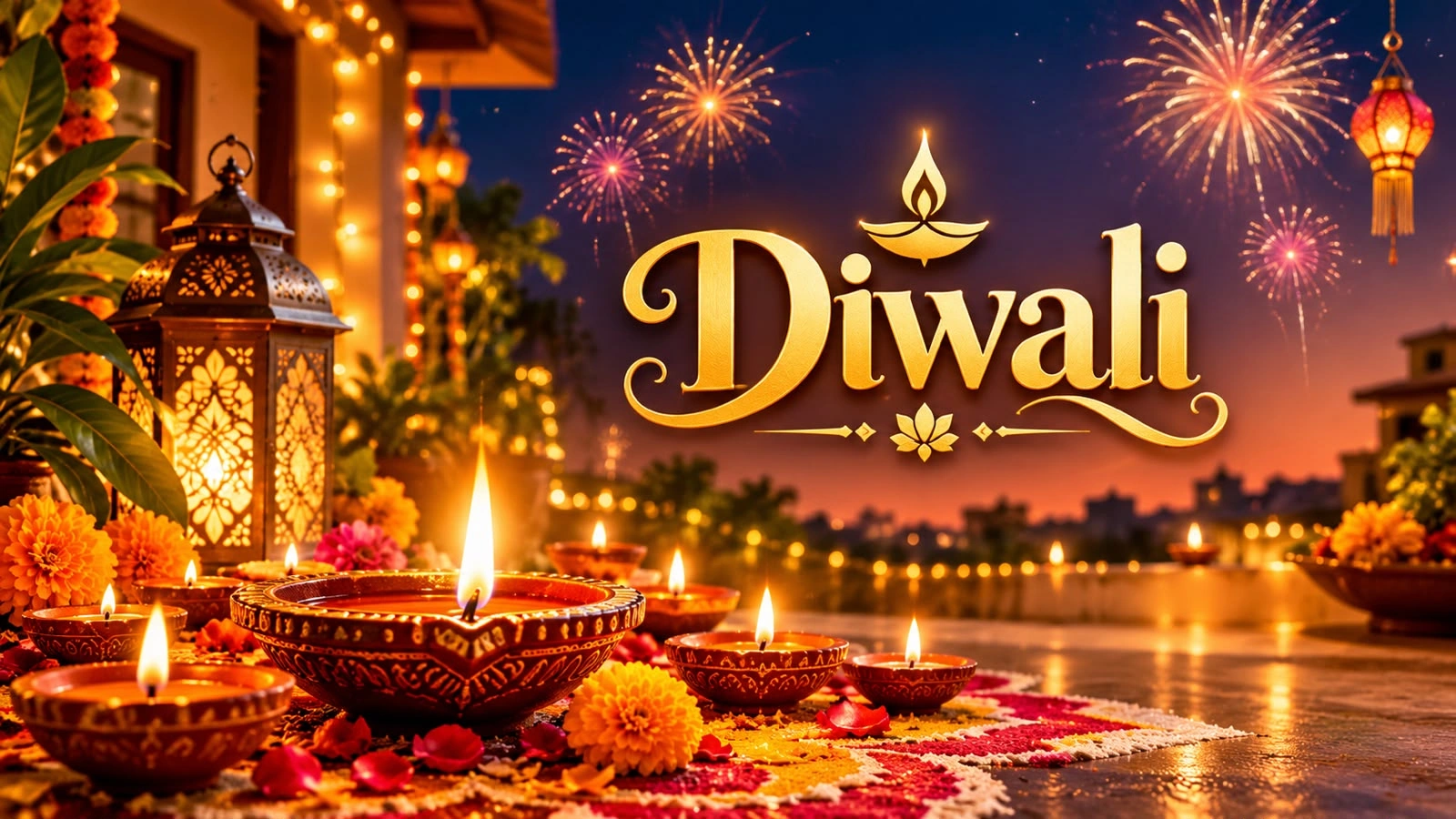
Diwali, or Deepotsav, falls on the new-moon day of Kartik, and the Puranas tell more than one story about it. In one, Lord Shri Rama came back to Ayodhya on this day after defeating Ravana, and the people greeted him with rows of lamps. In another, Goddess Lakshmi returned on this day from the netherworld, where King Bali ruled, to the realm of the gods, which the author gives as a further reason for celebrating the festival of lights in the heavens too.
Festival 4: Govardhan Puja and Annakut
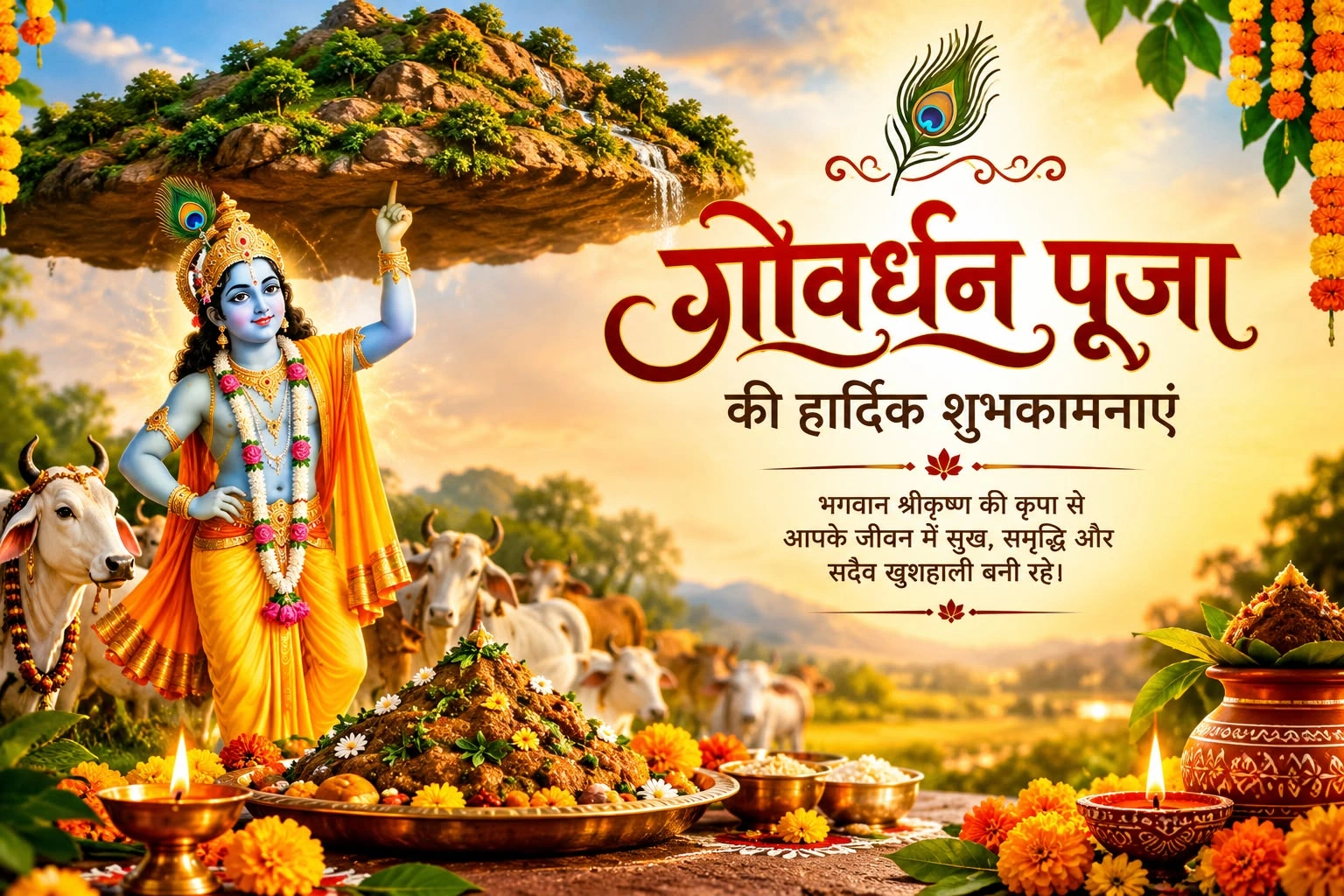
Govardhan Mahotsav falls the day after Diwali. The tradition goes that Lord Shri Krishna held up Mount Govardhan on his little finger for seven days, to humble Indra’s pride and shelter the people of Braj, and the puja has been done on this day ever since. The people of Braj laid out a huge variety of dishes before Krishna, which gave the day its second name, Annakut Mahotsav. Lamps lit on this day are believed to destroy darkness, fear of death, ego and ignorance. The author quotes this scriptural verse:
Festival 5: Yama Dwitiya and Bhai Dooj
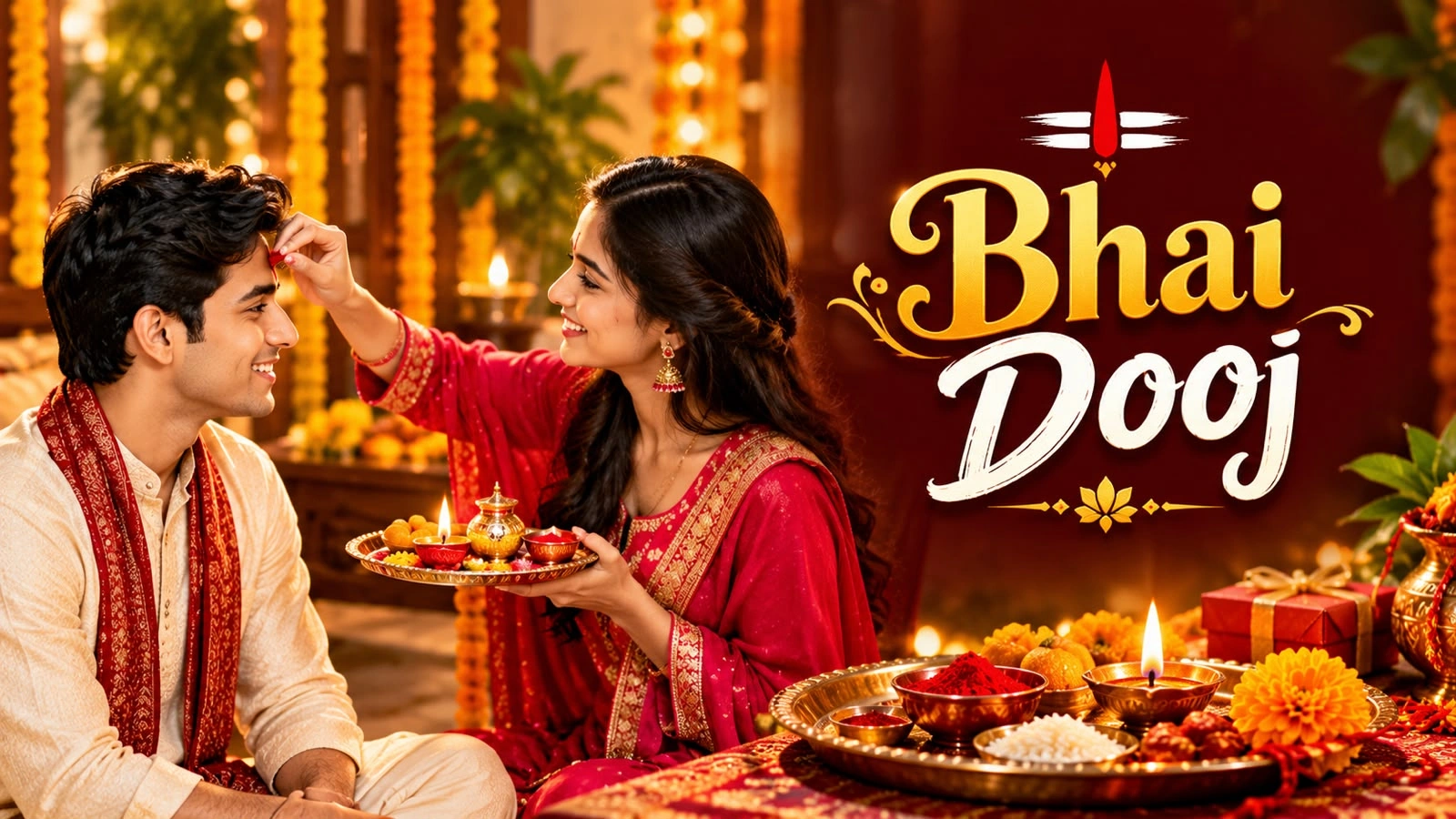
Yama Dwitiya, observed on the second day of the bright fortnight, closes the series. Sisters pray for their brothers’ well-being and prosperity, and brothers pray for their sisters’ lasting good fortune. A sister may also tie a protective thread (raksha sutra) on her brother’s wrist.
In popular belief, sisters keep the worship and fast of Yama Dwitiya so that their brothers stay safe from misfortune and from the realm of Yama. At its core, the day celebrates affection, protection and goodwill between siblings.
The Five Festivals of Kartik in Brief
Quick Answers
What are the five festivals of Kartik?
Dhanteras, Naraka Chaturdashi, Diwali, Govardhan Puja (Annakut) and Yama Dwitiya (Bhai Dooj).
Why is Kartik considered special?
By tradition, Lord Vishnu awakens from yogic sleep in this month, which begins the day after Sharad Purnima and is held dear to Lakshmi-Narayan.
What is the belief about a lamp facing south among the five festivals of Kartik?
On Dhanteras, the first of the five festivals of Kartik, it is believed to remove the fear of untimely death, as cited from Hindu scriptures by the author.
What are the 2026 dates?
Dhanteras 6 November, Naraka Chaturdashi and Diwali 8 November, Govardhan Puja 10 November and Bhai Dooj 11 November, per the Drik Panchang for New Delhi.