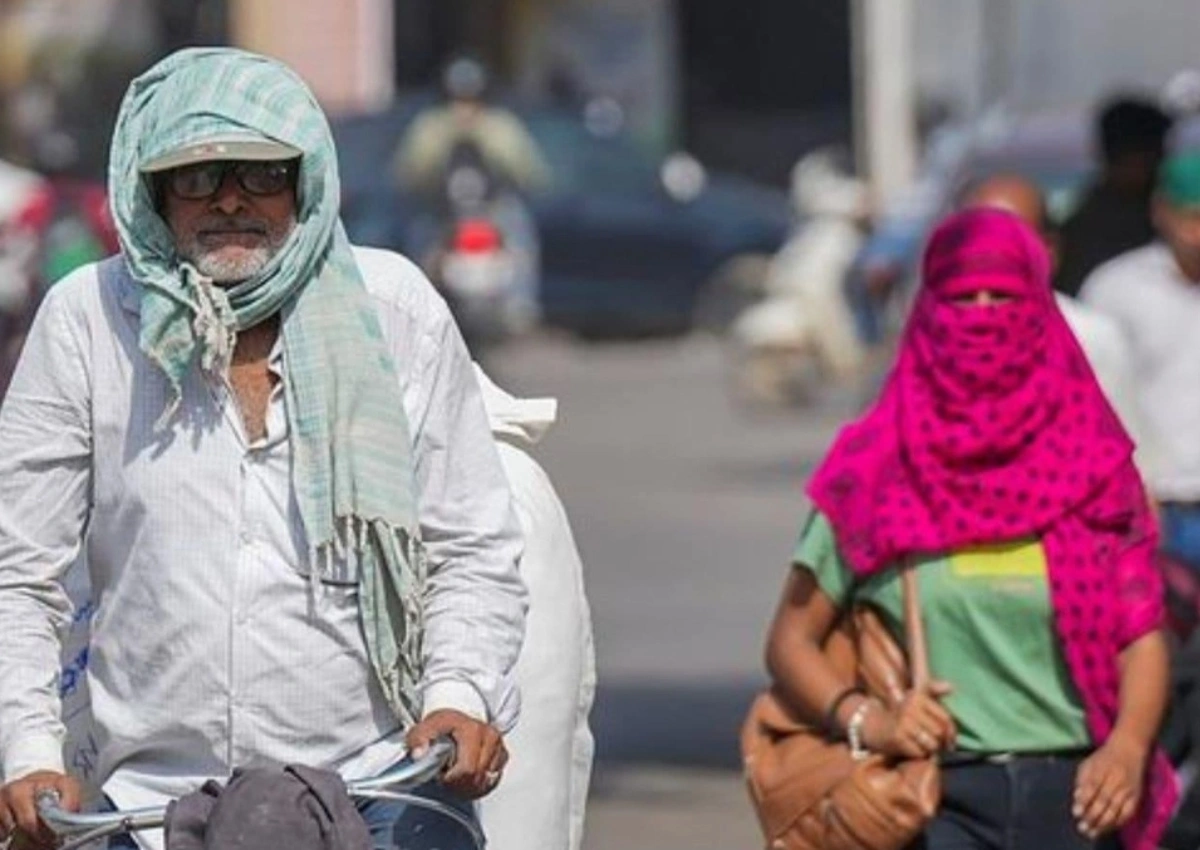
In North India, the heatwave is causing significantly high temperatures after the end of April. Many cities, including Delhi and Chandigarh, as well as some parts of Rajasthan, Haryana, Punjab, and Uttar Pradesh, are reporting very high temperatures, with some areas even reaching 42 °C to 44 °C. The India Meteorological Department has announced the heatwave and some regions have received a yellow alert. People are being advised to be careful while going out in extreme heat. IMD has said, in its extended forecast for 24 – 30 April, that heatwave conditions are expected in Rajasthan Haryana Chandigarh Delhi West UP and several other northern and central states.
It is a matter of concern if the heatwave at this time of the year and so intense is not only about health and wellbeing but also other sectors such as water supply, power consumption, pressure on agriculture, outdoor workers’ safety. This is a manifestation of the climate crisis forcing us to take notice – more and more each year.
Present Weather Conditions
Delhi, along with the neighbouring areas of NCR, has observed temperatures going up to 42 °C and above in the last couple of days. It has been reported that, for instance, Ridge station in North Delhi recorded a temperature of 40 °C even earlier whereas the weather reports stated that the highs might be between 42 °C and 44 °C throughout the week. IMD has spread a yellow warning with respect to heatwave situations over the capital city and its nearby areas. Chandigarh has also experienced very similar conditions with the mercury climbing to around 41 °C, an increase of almost 5 °C over the normal temperature. Rajasthan is one of the hottest states, and Sri Ganganagar’s temperature was approximately 44.5 °C.
Since heat is coming with such a great force even in April itself, it is evident that the normal summer pattern is undergoing a change. Temperatures of this magnitude were considered normal during May or June, but now extreme heat seems to be settling in much earlier.
What Do Heatwaves Mean?
A heatwave is not just hot weather; it is a particular meteorological phenomenon. The IMD has stated that specifying a heatwave for plain areas happens when the maximum temperature hits 40C at the very least and stays about 4.5C to 6.4C above the normal. Additional heatwave situations are declared when the temperature rise is greater.
This year, a few northern states have significantly exceeded these temperatures. Lack of western disturbances, clear skies, dry winds, and extended hours of sunlight together have led to a faster rise in temperature. Besides, warm nights have also been increasing which translates to a lower physical regeneration even after sunset for the people.
Impact on Public Health
The biggest and most immediate impact of heatwaves is still largely on public health. Extremely high temperatures can lead to dehydration, overheating exhaustion, heat stroke, and can even accelerate cardiac and respiratory failures. The young children, aged people, pregnant women and people having a new illness are particularly susceptible to these extreme conditions.
Their daily wage workers who toil out of doors such as construction workers, street vendors, delivery boys, rickshaw pullers are at the greatest risk as they expose their bodies for long hours to the sun only. Besides a number of major cities have already been reporting increasing cases of heat-related sickness, and some places have even brought to light suspected heatstroke deaths.
Usually, hospitals witness a surge of patients complaining of feeling weak dizzy headaches, and low blood pressure during a prolonged heatwave. Medical professionals recommend interventions like limiting the outdoor activities between 11 AM and 4 PM, having plenty of water supply, and getting ORS or other fluids for rehydration.
Pressure on Water and Electricity Supply
Extreme temperature due to heatwaves also leads to a huge strain on the provision of basic facilities. The escalating heat of the sun leads to a higher consumption of electric energy, as there is an increased use of air conditioners, coolers fans, and refrigerators. This alone may result in overload of power supply systems and may lead to power cuts in different locations.
Similarly, the need for water also goes up quite drastically in summertime. At present, many urban and semi-urban areas are already grappling with water scarcity in one form or other, and heatwaves only make things worse. As a consequence, people have to rely more on tankers for their water supply, groundwater levels keep on depleting, and it is again the poorest who get hit the hardest.
The residents of many big cities that live in slums or low-income housing areas are denied the incessant utility services like electricity and water. This makes the conditions of the heatwave not only unbearable but potentially fatal as well.
Impact on agriculture and workers
Heatwaves don’t only strike cities but agriculture as well. Temperatures that are last during the harvesting season damage crops, drying out the soil, and increasing the need for irrigation. Wheat, vegetables, and fruit crops will suffer the most if subjected to extreme heat for extended periods.
Their solution to this problem is that they should spend more money on irrigation while at the same time coping with the deterioration of the quality of their crops. Meanwhile, the rural workers who are in the fields are exposed to health risks similar to those of the urban workers.
It can be seen that heatwaves are not only a meteorological problem but also an economic one that affects food supply, prices, and people’s livelihoods.
Government Response and Preparedness
Officials have put out warnings advising the public to keep indoors during the hottest days of the day, wear light cotton clothes, and stay hydrated. IMD has also stepped up the communication with mobile alerts and WhatsApp groups, especially reaching out to vulnerable groups like street vendors and field workers.
Some schools located in highly affected areas have changed their timing, Besides local authorities are getting hospitals ready for the influx of emergency cases. But experts still want a lot of measures to be taken including cooling shelters, public drinking water points, better urban tree cover, and stronger heat action plans.
Along with the short-term warnings, long-term urban planning is needed to reduce the consequences of recurrent heatwaves.
Climate Change and the Bigger Picture
Heatwaves are becoming more frequent as well as more intense and their connection to climate change cannot be overlooked. Climate factors which lead to a rise in the temperature of the planet, the alterations in the pattern of precipitation, the effects of the urban heat islands are making metropolitan areas not only warmer but also more unbearable during the summer time.
The concrete structures, the lack of greenery, the exhaust emissions, and poor air circulation all contribute to the urban heat build-up, particularly during the night time. This creates a very high level of discomfort and escalates the exposure to health hazards.
Climate experts have flagged that if stronger measures for climate adaptation and environmental protection are not implemented, the heatwaves that we are experiencing now may become the norm of the future and the ones we have to face might be much more severe and last for a longer period of time.