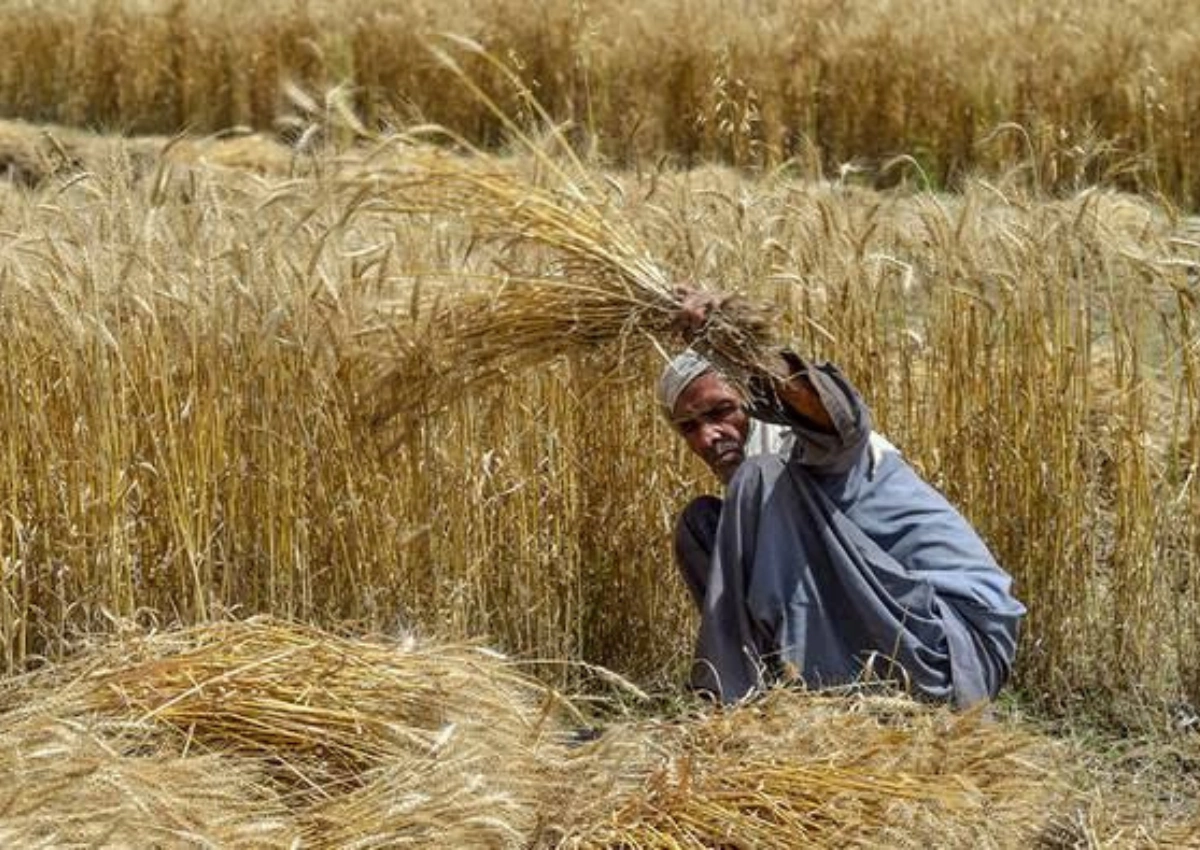
The latest reports suggest wheat output is likely to shrink as unseasonal rains and hailstorms hit the main harvesting phase of the crop, leading to a wheat production crisis. As one of the most crucial staple foods, wheat serves a tremendously important function not only in ensuring food security but also in supporting the agriculture-based economy. Hence, any unexpected change leading to a drop in its availability is capable of echoing far beyond just farmers’ income in altering extended market levels and even the planning for economies as a whole. Agriculture’s exposure to climate/weather change uncertainties continues to be emphasised by this old issue, which has flared up once more.
Wheat and the Agricultural Economy – Their Relationship
Besides being one of the primordial rabi crops, wheat also serves as the base food source for the majority of the population. It is not only a component of many flour-based food products, bread, and other essential food items but also serves as the primary material for manufacturing these goods. Other than being a source of domestic consumption, wheat also forms part of the buffer stock that the government keeps for the purpose of price regulation and supplying in times of emergency.
Besides helping meet consumption requirements, wheat also stands as a livelihood crop for a vast majority of the rural dwellers by offering them both monetary and work-related opportunities. The negative effects of reduced wheat production, however, would go far beyond the farmers alone to hit even other segments like supply chains, food processing units, and the last link – the consumers.
Effect of Bad Timing Rainfall and Hailstorms
The recent spells of rainfall and hailstorms have unfortunately coincided with the time wheat crops were ripe for harvesting. The extra moisture after such a time can ruin the grains, decrease their quality, and in really extreme situations, cause the crops to perish. Crops going through hailstorms can get completely physically destroyed, and made unsaleable instantly.
The same weather conditions also cause postponement in harvesting activities, leading to further increase in post-harvest losses, and bringing up the difficulties in storage and transportation. In fact, due to lower yields and lower market prices for damaged produce, farmers may suffer financially as a result.
Calculation of Production Loss
Based on the reports from the trading side, the quantity of wheat may drop by 510 per cent in comparison to the previous predictions, while the official figures are still being finalised. At the same time, the expected production decline has caused worry among the decision makers and market watchers.
Just a small drop in production may have an impact on the supply situation, especially when the demand is still as high as ever. On the other hand, one should not dismiss the fact that the government’s current stockpiles can be used in the short term to handle the shortages as well as to prevent prices from soaring unexpectedly.
Economic and Market Implications
Reducing wheat production can significantly impact the economy in several ways. For one, less supply might push up the price of wheat in the markets, which would be detrimental to the lower-income groups who usually bear the brunt of price increases. Farmers whose crops have been damaged will, on the other hand, hardly enjoy the benefits of increasing prices since their produce will be of lower quality and quantity.
The scenario complicates the work of state agencies that are in charge of procurement and distribution. They will have to work harder to build and maintain stocks that can be used to moderate the market and make sure that essential commodities are always available to the public.
Moreover, a big change in wheat production might affect export rules, trading decisions, and changes in the inflation rates.
Climate Change and Agricultural Vulnerability
This case points to a more extensive problem: how farmers can be adversely affected by climate change. Changes in rainfall patterns, climatic warming, and severe weather events are the main factors making agriculture less and less predictable and more and more risky.
Most existing agricultural methods cannot cope with such a rapid rate of change. The ones who suffer the most are the farmers with little land and resources, as they cannot absorb the losses easily.
This situation urges us to turn towards climate-resilient agriculture, better forecasting systems, and risk management strategies.
Government Response and Policy Measures
The government and other relevant authorities have recognised the problem and remain vigilant about the changes in crop conditions. Programs like crop insurance, fixing minimum support prices, and buying from farmers are some measures that are likely to support the farming community.
The government may grant aid to affected areas to avert the dire situation and losses. Besides, improving irrigation facilities, using advanced weather prediction methods, and developing crop varieties less susceptible to the climate can be a lot helpful in the long run. Besides farmers, the state needs to intervene to uphold food safety and economic soundness.
Challenges Faced by Farmers
The farmers are not only physically and financially impacted by such disasters, but they also need to cope with the unpredictability of weather, market prices, and the availability of resources. Besides getting lower prices for damaged crops, they might face an extended wait when it comes to receiving their compensation or insurance claims.
Without adequate storage and infrastructure, a large share of the post-harvest losses result. In order to prevent the deterioration of their produce, farmers decide to sell their products at less remunerative prices very quickly.
The solution of these problems is a combination of government policy, improvement of facilities, raising awareness, and education of farmers.
What we can do about it
The need for a mix of short-term and long-term actions remains urgent if we want to successfully mitigate the effects of such situations. For one, if the early warning systems are strengthened, it will give the farmer community a head start in preparing for adverse weather conditions. Secondly, encouraging farmers to cultivate a variety of crops, as well as applying environmentally friendly agricultural methods, will go a long way in reducing one crop dependency. Also, a push to fund agricultural studies and tech development can bring about the birth of hardier crop types. Further, improving storage, transportation, and market access will make it possible for farmers to not only reduce their losses but also enjoy a better level of income. Lastly, educating the public and promoting responsible consumption contribute to sustaining balance in the food supply system.