Reviving Indian craft, the brand brought its handmade philosophy to the runway at home
India’s fashion story found a powerful new voice on the runway this March, as homegrown label Kartik Research made a landmark debut at Lakmē Fashion Week x FDCI in Mumbai. The moment was more than just a runway showcase it was a celebration of craftsmanship, culture, and the evolving global identity of Indian design.
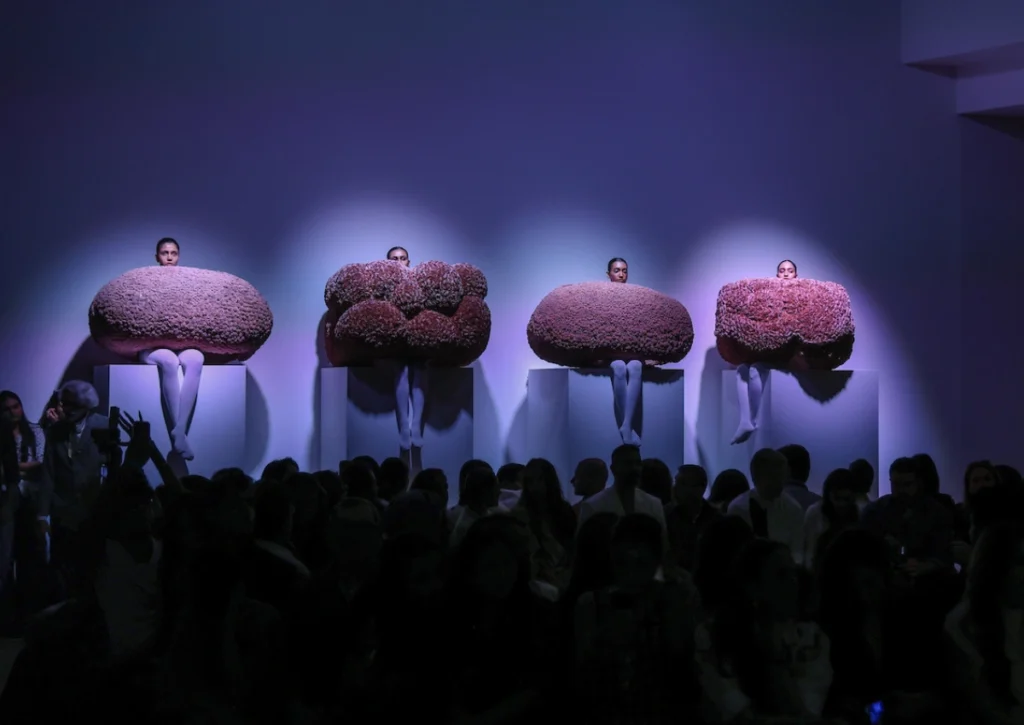
Held on March 19, 2026, in Mumbai, the showcase marked a significant milestone for the New Delhi–based label, which presented its work on an Indian runway for the very first time. The event also reinforced India’s growing creative collaboration with the Middle East and North Africa (MENA) region through its continued role as Guest Country for Fashion Trust Arabia in 2026.
Founded in 2021 by designer Kartik Kumra, Kartik Research has quickly built a reputation as one of India’s most promising contemporary labels. In just a few years, the brand has carved out a unique space by blending traditional Indian craftsmanship with modern design sensibilities. At its core lies a simple but powerful idea—bringing back the human touch to clothing.
Every garment by Kartik Research reflects this philosophy. From handwoven fabrics to intricate hand embroidery, the label places artisanship at the center of its process. Unlike mass-produced fashion, each piece carries the identity of the craftspeople behind it, making every creation deeply personal and rooted in heritage.
The runway collection at Lakmē Fashion Week x FDCI stayed true to these values. Instead of chasing fast-changing trends, the brand looked inward revisiting its own journey and the craft traditions that have shaped its identity. Textiles became the storytellers of the collection.
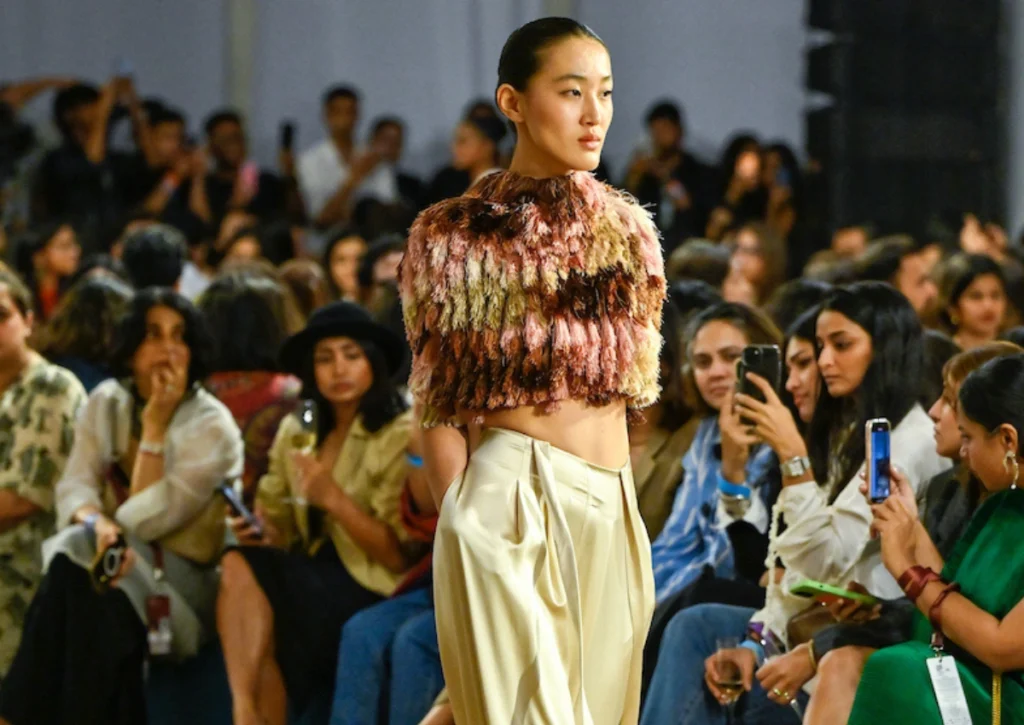
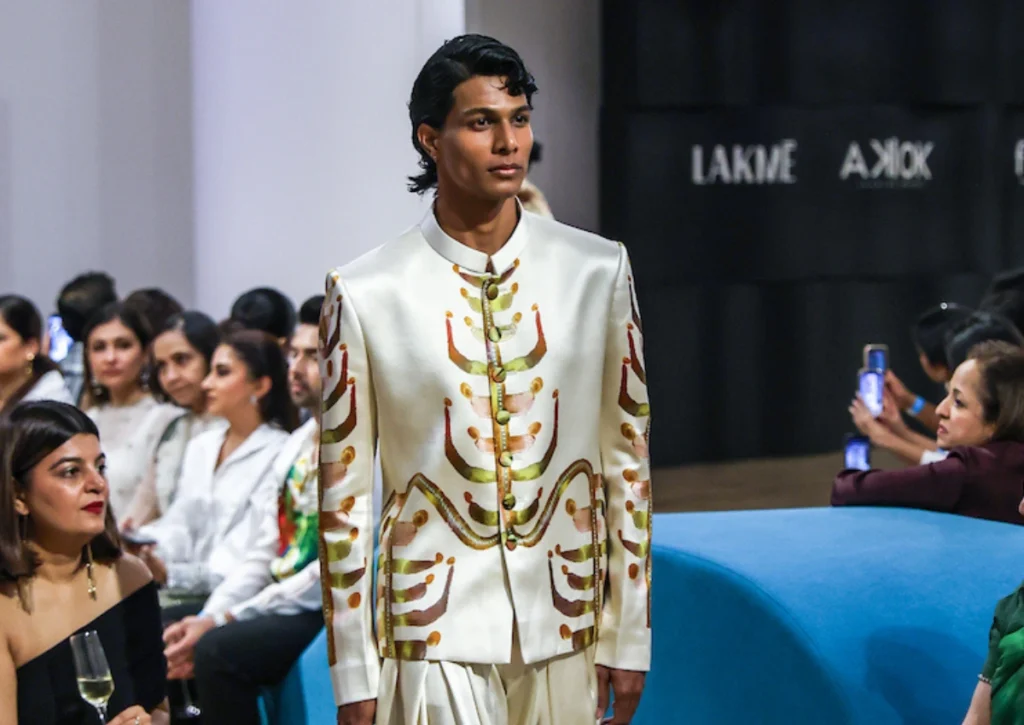
Handspun khadi sourced from Bhujodi, detailed Rabari embroidery from Kutch, and hand-knitted elements crafted by women artisans in Almora formed the backbone of the showcase. These elements were not new additions but long-standing pillars of the brand’s design language. By bringing them back to the runway, Kartik Research highlighted continuity rather than reinvention.
The silhouettes echoed this approach. Early designs, including signature shirts and workwear-inspired pieces, reappeared alongside newer, more relaxed forms. The garments embraced imperfections, softness, and ease reflecting a belief that clothing should feel lived-in rather than manufactured.
This philosophy stood out in an industry often driven by perfection and uniformity. Kartik Research instead celebrated irregularities, subtle details, and the quiet beauty of handcrafted work. It was a reminder that fashion can be both contemporary and deeply rooted in tradition.
The showcase also marked a homecoming moment for the brand. While Kartik Research has gained international attention for its storytelling and craftsmanship, this was its first official presentation on Indian soil. Presenting in Mumbai allowed the label to reconnect with its origins and acknowledge the artisans, workshops, and communities that have been part of its journey.
Speaking about the milestone, Kartik Kumra described the experience as both an honor and a responsibility. His journey began as a personal exploration traveling across India, learning from craftspeople, and understanding traditional techniques. Over time, what started as a passion evolved into a globally recognized fashion label.
For this collection, the designer focused on looking back to move forward. Instead of introducing entirely new ideas, he revisited earlier pieces, deconstructed them, and allowed them to evolve naturally. This approach gave the collection a sense of authenticity and continuity.
The recognition from Fashion Trust Arabia further amplified this moment. Kartik Research had previously been named the India Winner in the Guest Country category in November 2025, during a collaboration with the Nita Mukesh Ambani Cultural Centre. The runway showcase at Lakmē Fashion Week x FDCI served as a continuation of that journey.
Tania Fares, co-founder and co-chair of Fashion Trust Arabia, praised the designer’s vision and craftsmanship. She highlighted how his work reflects the spirit of emerging talent that the platform aims to support globally. According to her, the showcase was a natural progression of the collaboration between India and Fashion Trust Arabia.
Beyond the runway, the event also underscored a larger shift in the fashion industry. Indian craftsmanship, once seen as niche or traditional, is increasingly becoming central to global luxury conversations. Designers like Kartik Kumra are redefining how heritage techniques can be positioned in contemporary fashion.
Organizations like the Fashion Design Council of India continue to play a key role in this transformation. As the apex body representing Indian fashion, FDCI works to promote designers, support artisans, and expand the reach of Indian design globally.
Similarly, the legacy of Lakmē, a pioneer in India’s beauty and fashion space since 1952, adds depth to platforms like Lakmē Fashion Week. With its strong connection to both beauty and fashion, Lakmē has consistently supported emerging talent and helped shape industry trends.
The involvement of Reliance Brands Limited further highlights the growing commercial strength of India’s fashion ecosystem. With a wide portfolio of global luxury partnerships and investments in homegrown designers, the company is playing a crucial role in bridging Indian fashion with international markets.
Kartik Research’s runway debut is not just a milestone for one brand it reflects a broader narrative. Indian fashion is no longer confined to tradition or global imitation. It is evolving into a space where heritage, innovation, and storytelling coexist.
By focusing on handmade processes and artisan collaboration, Kartik Research challenges the fast fashion model. It brings attention back to slower, more thoughtful production methods that value skill, time, and cultural context.
At the same time, the brand’s international recognition shows that there is a growing global audience for such narratives. Consumers today are increasingly interested in authenticity, sustainability, and the story behind what they wear. Kartik Research taps into this shift by offering garments that are not just products but experiences.
The Mumbai showcase captured this essence perfectly. It was not about spectacle or extravagance but about quiet storytelling—letting fabrics, textures, and craftsmanship speak for themselves.
As the brand celebrates five years of its journey, this moment serves as both a reflection and a stepping stone. The runway debut in India closes one chapter while opening another, as Kartik Research continues to expand its presence globally.
Looking ahead, the brand’s approach suggests a clear direction for the future of Indian fashion—one that values heritage while embracing change, prioritizes craftsmanship over speed, and tells stories that resonate across cultures.