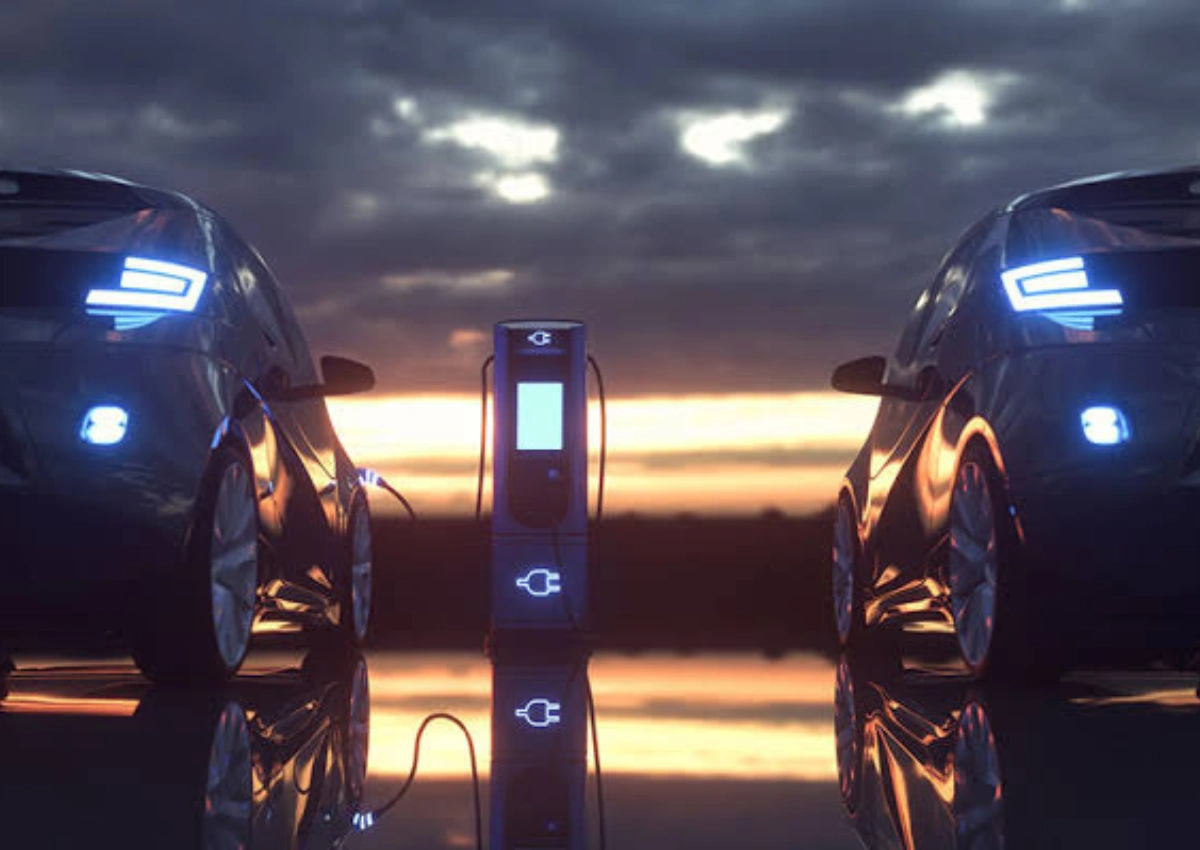
Electric vehicles (EVs) are not a remote future anymore, but it is coming to a reality. Governments and companies around the world, and not only in large economies such as the United States and China, but also in rapidly rising economies such as India, are driving towards a cleaner and electric future. The trend has been fuelled by increased fuel costs, climate issues and technological innovations.
Nevertheless, behind the hope is an underlying reality that as electric vehicles are increasing in numbers, infrastructure to sustain them, in particular, charging networks, are failing to keep pace. This breaching point between adoption and readiness begs a question, which triggers a question: Is the world really ready to have an electric future?
The Electric Car Marketing.
There has been an incredible rise in EV adoption across the globe in the last couple of years. Global energy reports show that last year, sales of electric cars reached millions per year, and nations have great goals of eliminating the use of petrol and diesel-powered vehicles.
India is also experiencing the proliferation of EV. Subsidies, tax breaks, and policies to stimulate clean mobility by the government have encouraged not only manufacturers but also consumers to start switching to electric vehicles. Electric scooters and electric cars are more accessible than ever before as both startups and established companies are spending a lot of money on EV production. This expansion is indicative of an international trend, which is both environmental and economic in nature.
Infrastructure: the Lost Connector.
Although the quantity of EVs sold is increasing rapidly, the problem of charging infrastructure is a significant bottleneck. Compared to traditional fuel stations, which are accessible and fairly fast, EV charging stations are small in quantity and can take much longer. In India even the situation is prolonged. Although this progressively occurs in metro cities where networks which are charged are being constructed, small towns and rural locations are mostly underserved. This gives a psychological feeling of range anxiety to the consumers- the worry that their vehicle will run out of charge, and they may not have enough time to reach a nearby station.
Even developed nations facing such problems are seen on six continents. The supply of charging points is not keeping up with the demand in certain areas in Europe and North America, as supply is not meeting demand, which results in excessively long wait times and unequal distribution.
Educating on the Global Trends.
As it is emphasised by the latest foreign research, the availability of good charging infrastructure is an important factor in the success of EV adoption. Those countries that have invested in fast-charging networks early, like Norway, have registered greater adoption and consumer confidence.
Conversely, the areas that have lagged in the development of infrastructure are undergoing slow transitions. It demonstrates that there is a need to go beyond promoting EVs, and such a shift should be accompanied by a similar investment in infrastructure. This is a challenge and an opportunity for India. The country will be able to learn from the world’s examples and be able to avoid similar traps, creating a more effective system.
The distinction between the urban and the rural.
Another area that is most visible in the absence of EV infrastructure is the disparity between urban and rural regions.
Charging stations are increasingly becoming popular in big cities such as Delhi, Mumbai and Bengaluru, with both the government and individual companies backing it. The availability, however, reduces significantly beyond these urban centres. This gap brings about disparity in access to clean transport. Although EV adoption can be applied to urban consumers, rural citizens might not be able to switch to traditional fuel vehicles due to insufficient infrastructure. This gap will be essential to attain mass adoption.
The role of the Private players.
The role of expanding charging infrastructure is being played by the private companies. A lot of new business ventures are producing new ideas, including battery swapping stations and charging units on wheels. Meanwhile, automobile companies all over the world are investing in their charging systems to assist the customers. This tendency suggests that there is a transition to integrated ecosystems, in which vehicle makers have an interest in the infrastructure. These efforts are contributing to the rapid growth, and they have to increase to a mass that would satisfy the current demand.
Exposure vs Hernando: Making an Environmental Statement.
Electric cars tend to be advocated as a remedy for global warming. Although they do minimise tailpipe emissions, their impact on the environment is determined by the power generation of electricity. The EVs have more benefits than are diminished in the countries where coal production remains a major source of power. As an example, India still greatly depends on coal to generate electricity, which raises questions about the real sustainability of its EV initiative. This underscores the necessity of an integrated strategy, which is increasing renewable energy and also EV implementation, to do all possible to benefit the environment.
In what way can the future plans and the policy support be.
Governments worldwide are realising the need to have infrastructural developments. In India, the policies are being developed which will promote the elimination of charging stations in public and personal territory. Activities incorporate company incentives, company collaboration with state governments, as well as incorporation of charging infrastructure in urban planning. Other countries around the world are following suit in similar measures and are establishing targets on the number of charging stations and therefore dedicating resources towards research and development. These actions are signs that there is an increasing understanding that infrastructure is the key to the EV revolution.
The Road Ahead
The future of electric vehicles is not only on vehicle innovation, but also on the ecosystem supporting the new product.
To provide long-term success, nations should pay attention to:
•Building charging networks at high speed.
•Shortening Charging time with technological advancements.
•Having equal access to all the regions.
•Incorporating renewable energy in the power supply.
In the case of India, infrastructure needs to be matched with the adoption rate. In case it does so, it may become a worldwide leader in sustainable mobility. The emergence of electric vehicles is a major leap towards a more sustainable and cleaner future. Nevertheless, the trip is not over yet. The situation between the increasing demand and the inadequate infrastructure is also a serious concern that should be resolved as soon as possible. The development of India is promising and pressurising. Although the nation is headed in the correct direction, the effectiveness of its electric vehicle shift will come down to the effectiveness with which the nation establishes the environment to support it.
Worldwide, it is becoming evident that it might be electric tomorrow. The question then becomes, who will charge it? Without the power to charge it, we cannot move forward.