The New Reality of Fast Delivery.
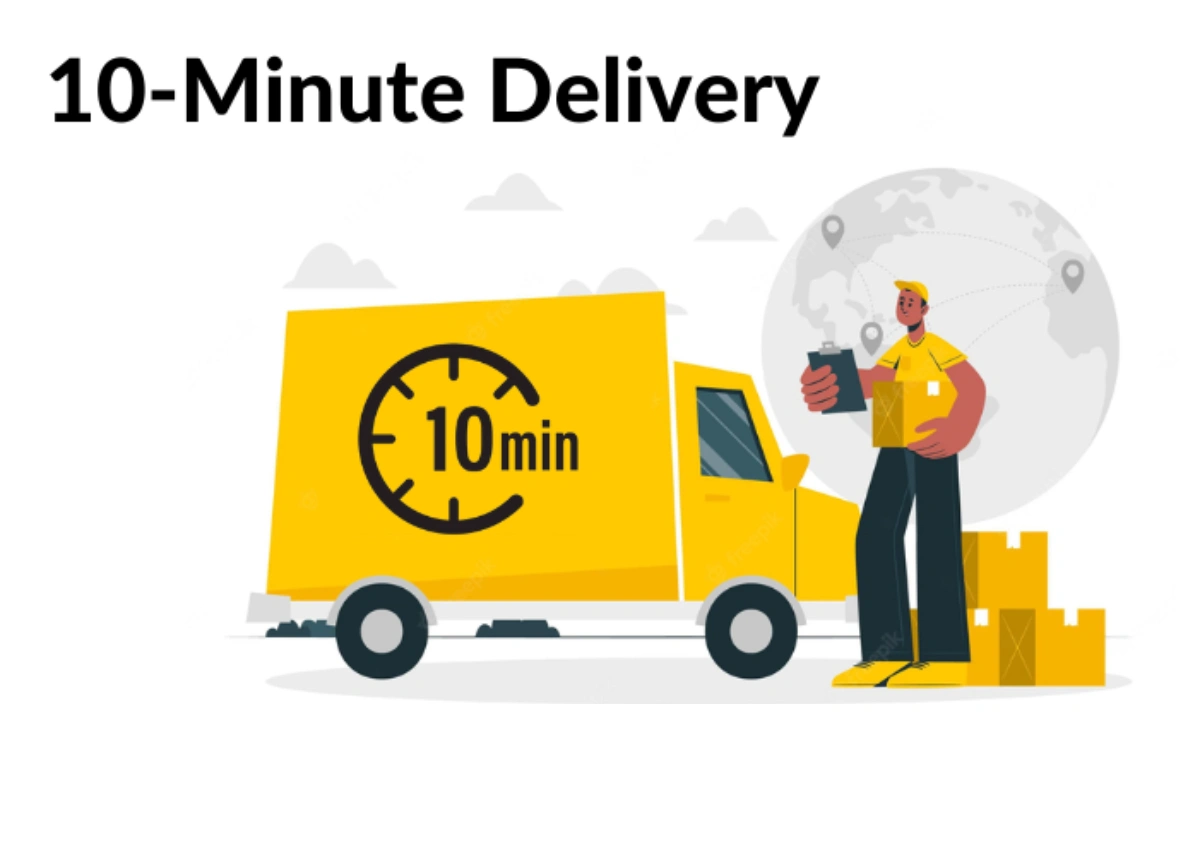
Consider the possibility of placing grocery orders and even having them delivered to your doorstep all in a duration of time of ten minutes. What used to be seen as impossible can now be seen in many of the Indian cities. Quick commerce, also q-commerce as it is commonly referred to, is changing the way individuals shop, as it provides extremely fast delivery of daily goods. Business organisations are competing to be the quickest ever with the convenience that is unparalleled.
However, as this industry expands at a very fast rate, concerns are being raised regarding its sustainability as well as its effects on a long-term basis.
What Is the Motor behind this Boom?
Quick commerce can be highly successful, and its success is closely connected with the changing consumer behaviour. Living in the cities is demanding and quick. Instant delivery lends itself well to this trend as people like convenience, and planning is not part of it. The trend has been further expedited by the digital ecosystem in India of low-cost internet connections, use of smartphones and digital payments. This is not only an Indian phenomenon, with similar models currently emerging throughout cities across Europe and the United States.
How the Model Works
Quick commerce companies run out of small warehouses, also known as dark stores, that are usually situated in urban areas. The location of these stores is strategic such that the deliveries can take a couple of minutes. On an order being placed by a customer, the closest store will take the order directly, and delivery partners will be given the order to deliver it in the shortest time possible. This system is speedy, yet it has to be highly operated and in demand.
The Cost of Speed
Customers like convenience, but the price of such quick delivery systems is high. Businesses need to invest in warehousing, technology, and a high number of delivery partners. Compensation of heavy discounts to attract users also adds to the financial strain. The challenge of long-term sustainability of the model has been a question facing numerous quick commerce startups around the world, as many have not been able to continue making profits.
Impact on Workers
The quick commerce has generated employment, particularly of delivery personnel due to its swift expansion, but it has raised concerns regarding working conditions. Delivery partners are also under a lot of pressure to deliver within strict time limits, even at the expense of safety. The speed versus safety situation remains an issue of concern to companies in this industry.
Changing Consumer Habits
Shopping is not merely being transformed by quick commerce, but so is the way of thinking. The concept of wait-plan-have-stock is gradually disappearing. Consumers are also becoming more attached to the concept of instant delivery, even of small or non-urgent products. Such a change might have a long-term impact on spending habits and lifestyle preferences.
Environmental Concerns
Another important issue is sustainability. Large and frequent deliveries result in the use of more fuel and more traffic, worsening environmental conditions. Packaging waste is also becoming an issue, with every order being packed individually. Experts across the globe are arguing over whether quick commerce is convenient or if its cost to the environment is high.
The Indian Trend in the World.
India is a rapidly developing quick commerce market. Businesses are growing at a high rate, particularly in urban centres. Meanwhile, the world community is keeping a keen eye on India as a pilot project on this model. In case of success, India would emerge as a pioneer to set the future of instant delivery systems.
What Lies Ahead
The future of expedited commerce will be determined by what businesses do with the main issues:
•Achieving profitability
•Ensuring worker safety
•Reducing environmental impact
•Maintaining customer trust
Long-term success will require adopting innovation, improved planning and responsible practices.
Fast food is a significant change in contemporary consumer culture. It is an expression of the increased need for speed, convenience, and efficiency in daily life. Under the cover of the promise of delivering in 10 minutes, however, is a complicated infrastructure that needs to strike the correct mix between growth and responsibility. With the industry moving forward, the most important issue is whether it is the next generation of shopping or is it a craze that must be thoroughly managed. The solution will not only define companies, but also how individuals live and spend in the future.