Russia–India Tourism Grows 8% as World Tourism Day 2026 in Delhi Creates New Global Opportunities; Shridhar Jha’s Bold Initiative Puts Tourism, Culture and Wellness in Focus
6th World Tourism Day Celebration brings together global tourism stakeholders, hosted buyers and exhibitors, with YRS Wellness adding a Himalayan wellness dimension to the international tourism dialogue
India’s growing tourism relationship with Russia is entering a new phase, with tourist exchanges between the two countries recording an 8% increase during the first half of 2026. Against this backdrop, the 6th World Tourism Day Celebration 2026 in New Delhi emerged as an important platform for connecting tourism stakeholders, promoting destinations and exploring new opportunities across travel, hospitality, culture, wellness and international collaboration.
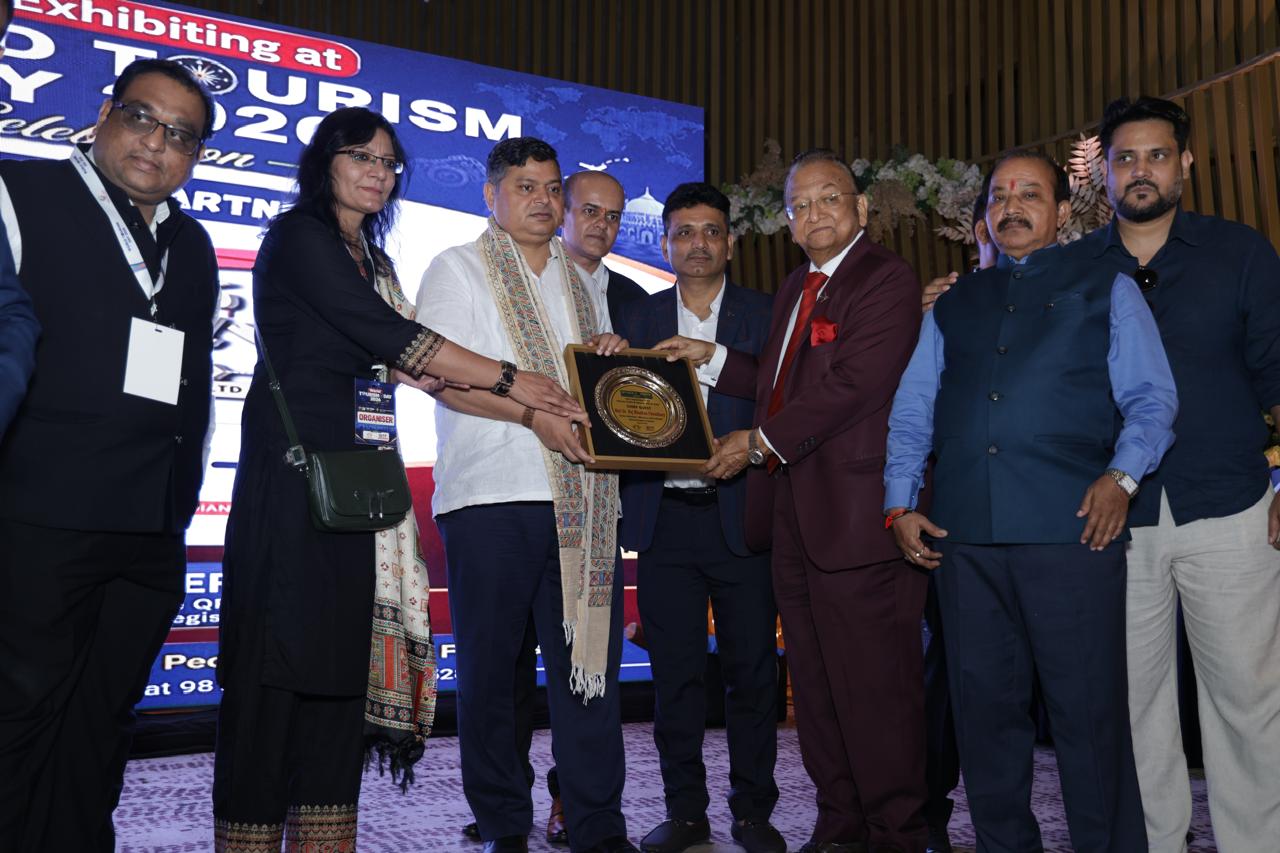
Held on Saturday, September 26, 2026, at Udman Hotels & Resorts by FNP, NH8, New Delhi, the celebration was organised by the Purvanchal Paryatan Association and managed by the Great Indian Travel Fest (GITF).
The theme of the 2026 edition — “Celebrating Tourism. Creating Opportunities. Connecting the World.” — reflected the larger objective of bringing together tourism professionals, government representatives, travel businesses, hosted buyers, exhibitors and international stakeholders on one platform.
A particularly notable aspect of the initiative was the emphasis placed on Delhi’s tourism potential, India’s cultural heritage and opportunities for stronger collaboration between the government and tourism industry.
At the centre of this ambitious initiative was Shridhar Jha, President of the Purvanchal Paryatan Association, whose efforts have helped develop the World Tourism Day celebration into a significant annual platform for the travel, tourism and hospitality fraternity.
Shridhar Jha’s Bold Initiative Gives World Tourism Day a Larger Industry Vision
The evolution of the World Tourism Day celebration into a multi-stakeholder tourism platform represents a bold initiative by Shridhar Jha and the Purvanchal Paryatan Association.
Rather than limiting the occasion to a ceremonial celebration, the initiative has positioned World Tourism Day as an opportunity to bring together different parts of the tourism ecosystem — including travel professionals, hospitality businesses, destination promoters, buyers, exhibitors, cultural stakeholders and international representatives.
The 2026 edition was designed around three interconnected objectives: creating business opportunities, strengthening tourism networks and connecting India with the international travel community.
The official event invitation highlighted the gathering as an important annual meeting point for the travel, tourism and hospitality fraternity, bringing together industry leaders, travel professionals, buyers, exhibitors and stakeholders from India and overseas.
The scale planned for the 2026 edition was significant, with expectations of more than 1,000 delegates, 50 hosted buyers, 50 exhibitors and representatives from more than 20 countries.
This format gives the celebration a business dimension while retaining its cultural and tourism identity.
Delhi Takes Centre Stage as India’s Global Tourism Gateway
Delhi has traditionally served as one of India’s most important gateways for international travellers. With its historic monuments, museums, cultural institutions, cuisine, spiritual heritage and modern hospitality infrastructure, the capital offers a combination of experiences that can appeal to diverse international markets.
The 2026 World Tourism Day celebration placed particular emphasis on Delhi’s tourism potential, heritage and cultural ecosystem.
The programme also highlighted the importance of tourism beyond conventional sightseeing, with opportunities around art, culture, language, heritage, hospitality, experiential travel and destination promotion.
For international markets such as Russia, Delhi can also function as a gateway to wider Indian tourism circuits, connecting travellers with destinations across North India and beyond.
This creates opportunities for tour operators, hotels, airlines, destination management companies, wellness brands and cultural institutions to build integrated tourism experiences.
Russia–India Tourism Flow Rises 8% in the First Half of 2026
The timing of the World Tourism Day celebration is particularly relevant as India and Russia continue to expand their tourism engagement.
Recent figures reported in September 2026 indicate that tourist flows between Russia and India increased by 8% in the first half of 2026.
Approximately 50,000 Russian citizens travelled to India, while more than 25,000 Indian tourists travelled to Russia during the first half of the year.
The broader aviation picture also reflects increasing connectivity. Aeroflot reportedly carried more than 185,000 passengers between Russia and India during January–August 2026, representing growth of around 29% compared with the corresponding period.
The Moscow–Delhi sector alone accounted for approximately 131,000 passengers, with passenger traffic on the route increasing by around 22%.
These numbers point towards a tourism corridor that is gradually becoming more important for both markets.
From Tourism Numbers to Tourism Experiences
The growth in tourist numbers is only one part of the emerging India–Russia tourism story.
The next stage is likely to be about creating more diverse and specialised travel experiences.
Indian travellers visiting Russia can explore destinations beyond the traditional Moscow and St Petersburg itinerary, including regions offering winter tourism, nature, cultural experiences, adventure, heritage and distinctive local traditions.
Similarly, Russian visitors to India have opportunities to experience much more than conventional sightseeing.
India can offer a combination of:
India’s Tourism Portfolio
- Heritage and cultural tourism
- Spiritual and pilgrimage tourism
- Wellness and holistic experiences
- Ayurveda and traditional Indian wellness traditions
- Yoga and meditation
- Himalayan destinations
- Beach and leisure tourism
- Wildlife and nature tourism
- Culinary tourism
- Luxury and experiential hospitality
- Art, crafts and cultural festivals
This diversification can help tourism businesses target travellers according to their interests rather than treating international visitors as a single market.
YRS Wellness Adds a Himalayan Dimension to the Tourism Conversation
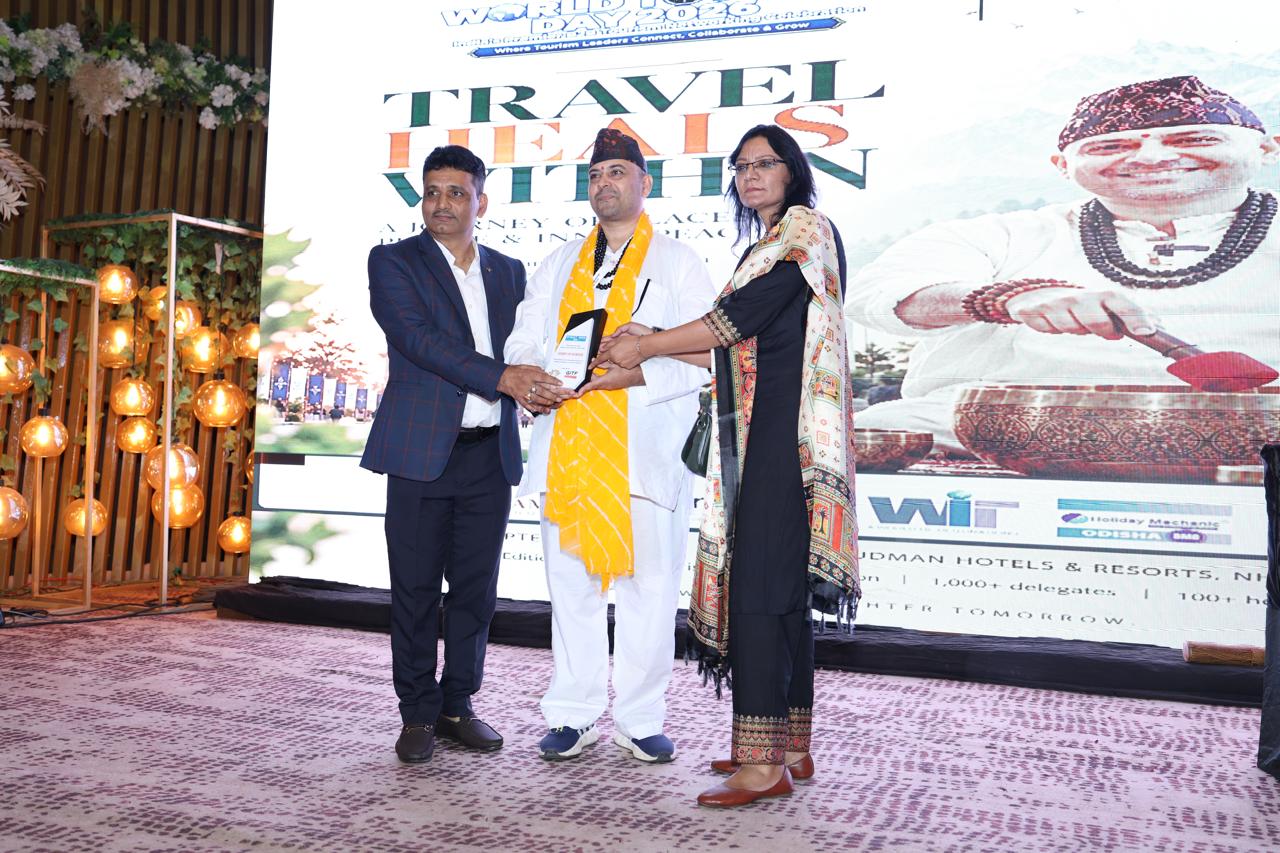
An important attraction associated with the 2026 World Tourism Day celebration was the participation of YRS Wellness, bringing the concept of Himalayan wellness and experiential wellbeing into the broader tourism conversation.
The participation of YRS Wellness adds another dimension to the India–Russia tourism opportunity — the rapidly expanding intersection between travel, wellness, hospitality and personal wellbeing.
Modern travellers are increasingly looking for experiences that go beyond hotel stays and sightseeing. They are seeking opportunities for relaxation, mindfulness, cultural immersion and meaningful experiences during their journeys.
India, with its Himalayan heritage, yoga traditions, Ayurveda, meditation practices and diverse wellness culture, has a natural opportunity to develop this segment.
YRS Wellness represents this emerging approach by connecting tourism with Himalayan-inspired wellness experiences, including sound healing, meditation and holistic wellbeing experiences.
Rather than presenting wellness as a separate tourism category, such initiatives can integrate wellness into hotels, resorts, destination experiences and curated travel programmes.
Himalayan Wellness Could Become an India–Russia Tourism Bridge
The growing Russia–India tourism relationship creates an interesting opportunity for wellness tourism.
Russian travellers visiting India may increasingly look for experiences that combine destination discovery with relaxation and wellbeing.
For example, a travel programme could combine Delhi’s heritage and culture with a Himalayan wellness retreat, creating a journey that includes both India’s historical identity and its traditional wellness ecosystem.
A similar approach can be developed through luxury hotels and resorts, destination retreats and experiential hospitality properties.
YRS Wellness’s participation therefore adds a relevant layer to the World Tourism Day platform, particularly at a time when the international tourism industry is moving towards experience-led travel.
The opportunity extends beyond individual wellness sessions. Hotels and resorts can potentially develop dedicated wellness packages, destination retreats, sound-based relaxation experiences, meditation programmes and culturally rooted wellbeing offerings as part of their guest experiences.
The New Traveller Wants More Than Sightseeing
The global tourism industry has changed considerably.
A traveller may no longer be satisfied with simply visiting a monument, taking photographs and returning to the hotel.
Increasingly, travellers want to understand a destination, experience its culture and return with a deeper personal connection.
This is where India has a significant range of tourism assets.
A visitor can begin a journey in Delhi, explore its history and architecture, experience Indian cuisine and culture, travel towards the Himalayas and then participate in wellness and mindfulness experiences.
Such integrated itineraries can make India more attractive to international travellers looking for meaningful and personalised tourism experiences.
The World Tourism Day 2026 platform provided an appropriate environment for discussing such possibilities.
Russia Also Offers New Tourism Opportunities for Indian Travellers
The tourism relationship works both ways.
For Indian travellers, Russia offers a distinctly different tourism experience, from the architectural heritage of Moscow and St Petersburg to winter landscapes, cultural destinations, regional cuisine, museums, nature and adventure tourism.
Russian tourism authorities and industry stakeholders have also been working on making travel more accessible.
Recent developments include e-visa facilities and discussions around easier group travel arrangements. Russia and India have also been exploring possibilities relating to visa-free travel for organised tourist groups, although technical requirements and implementation considerations remain part of the process.
Improved travel facilitation can contribute to future tourism growth by reducing barriers for travellers and tour operators.
Connectivity Remains a Critical Factor
Air connectivity is another important component of the India–Russia tourism relationship.
The increase in passenger traffic during 2026 indicates that demand exists for stronger travel links between the two countries.
Regular connectivity between major cities, along with seasonal services to leisure destinations, can support both tourism and business travel.
As passenger numbers grow, the development of travel products around specific interests — including leisure, wellness, culture, shopping and hospitality — can further strengthen the market.
From Delhi to the Himalayas: Building a Complete Indian Experience
One of the biggest opportunities for Indian tourism is to connect different experiences into a single international travel story.
Delhi can serve as the gateway.
The city can provide history, culture, architecture, cuisine and contemporary Indian life.
From there, tourists can move towards destinations such as Agra, Rajasthan, Uttarakhand, Himachal Pradesh and other parts of India.
For travellers interested in wellness, the Himalayan region provides an additional dimension.
The combination of Delhi heritage + Indian culture + Himalayan wellness + hospitality could become an attractive itinerary for international visitors.
This is particularly relevant for markets where travellers are increasingly looking for longer, more immersive experiences.
World Tourism Day 2026 as a Business Networking Platform
The importance of the 2026 celebration also lies in its business networking potential.
With 1,000+ delegates, 50 hosted buyers, 50 exhibitors and participants from more than 20 countries, the event was designed to facilitate interaction between businesses and tourism stakeholders.
Such platforms can create opportunities for:
Business Networking Opportunities
- Destination partnerships
- Tour operator collaborations
- Hotel and resort tie-ups
- International buyer–seller meetings
- Wellness tourism partnerships
- Cultural tourism promotion
- Travel package development
- Airline and connectivity discussions
- Hospitality collaborations
- International destination marketing
This business-oriented approach strengthens the relevance of World Tourism Day beyond a one-day celebration.
Government and Industry Collaboration
Another important theme of the 2026 celebration was the need for stronger collaboration between government and the tourism industry.
The invitation extended to Dr. Raj Bhushan Choudhary, Union Minister of State in the Ministry of Jal Shakti, Government of India, as Guest of Honour and Special Speaker, specifically sought perspectives on Delhi’s tourism potential, cultural heritage and opportunities for strengthening government–industry collaboration.
The invitation itself reflects the organisers’ intention to bring public policy perspectives and industry discussions closer together.
For tourism to grow sustainably, collaboration among government agencies, private businesses, hospitality companies, airlines, tour operators, destination organisations and local communities remains important.
Shridhar Jha’s Vision: Connecting Tourism With Opportunity
The larger significance of Shridhar Jha’s initiative lies in the attempt to create a platform where tourism is discussed not simply as travel, but as an ecosystem capable of generating business, employment, cultural exchange and international connections.
The theme — “Celebrating Tourism. Creating Opportunities. Connecting the World.” — captures this approach.
Tourism connects destinations with travellers, businesses with markets and cultures with people.
For India, the opportunity is particularly significant because the country has a vast and diverse tourism portfolio.
For international markets such as Russia, developing specialised tourism experiences can create new reasons to travel to India.
Wellness can be one such reason.
YRS Wellness and the Future of Experiential Tourism
The participation of YRS Wellness adds relevance to an emerging segment of India’s tourism economy.
Wellness tourism is increasingly connected with hospitality, destination management and experiential travel.
A hotel can offer wellness experiences. A resort can create a wellness retreat. A destination can build a wellness circuit. A travel company can develop an itinerary combining culture and wellbeing.
This creates opportunities for collaboration between wellness brands and the traditional tourism industry.
For YRS Wellness, participation in a major tourism platform such as World Tourism Day provides an opportunity to place Himalayan wellness and experiential wellbeing within a wider international tourism narrative.
India–Russia Tourism: A Relationship With More Room to Grow
The 8% increase in tourist flows during the first half of 2026 provides a clear indication that India and Russia continue to have substantial tourism potential.
However, the future growth of this relationship will depend on several factors, including:
Factors That Could Shape Future Growth
- Better connectivity: More convenient flight options can make travel easier
- Travel facilitation: Visa and payment systems can influence travellers’ decisions
- Destination diversification: Both countries can promote destinations beyond the traditional circuits
- Special-interest tourism: Wellness, culture, adventure, heritage and nature can attract specific traveller segments
- Business partnerships: Tour operators, hotels, airlines and destination organisations can develop joint products
- Experience-led travel: Personalised and immersive experiences can increase the value of international tourism
A New Tourism Narrative for India
The World Tourism Day 2026 celebration in Delhi represents a broader shift in the way tourism platforms are being positioned.
Tourism is no longer only about promoting destinations.
It is also about creating business networks, connecting international markets, encouraging cultural exchange and developing new experiences.
The combination of Russia–India tourism growth, Delhi’s global gateway position, international participation and the presence of emerging sectors such as wellness provides an opportunity to develop a more diverse tourism ecosystem.
Within this environment, Shridhar Jha’s bold initiative to build World Tourism Day into a larger tourism-industry platform stands out as an effort to connect multiple stakeholders around a common objective.
The participation of YRS Wellness further expands the conversation by bringing Himalayan wellness into the international tourism framework.
Conclusion: Celebrating Tourism, Creating Opportunities and Connecting the World
The 6th World Tourism Day Celebration 2026 in New Delhi came at a significant moment for international tourism.
With India–Russia tourist flows growing by 8% in the first half of 2026, stronger connectivity, easier travel processes and the development of specialised tourism experiences can create new opportunities for both countries.
The event’s focus on tourism, culture, business networking, destination promotion and international collaboration reflects the changing nature of the global travel industry.
At the same time, the participation of YRS Wellness demonstrates how Himalayan wellness can become part of India’s wider international tourism story, adding experiential wellbeing to the country’s already rich portfolio of heritage, culture, spirituality and hospitality.
Most importantly, the initiative led by Shridhar Jha and the Purvanchal Paryatan Association demonstrates how a World Tourism Day celebration can be developed into a broader platform for industry engagement and international tourism cooperation.
As India looks towards attracting more international travellers and creating deeper tourism partnerships, platforms that bring together government, industry, international buyers, hospitality, destinations, culture and wellness can play an important role.
The message of the 2026 celebration therefore extends beyond a single event: