Delhi’s Cow Dung-Based Income Model: Turning Livestock Waste into a Green Economy
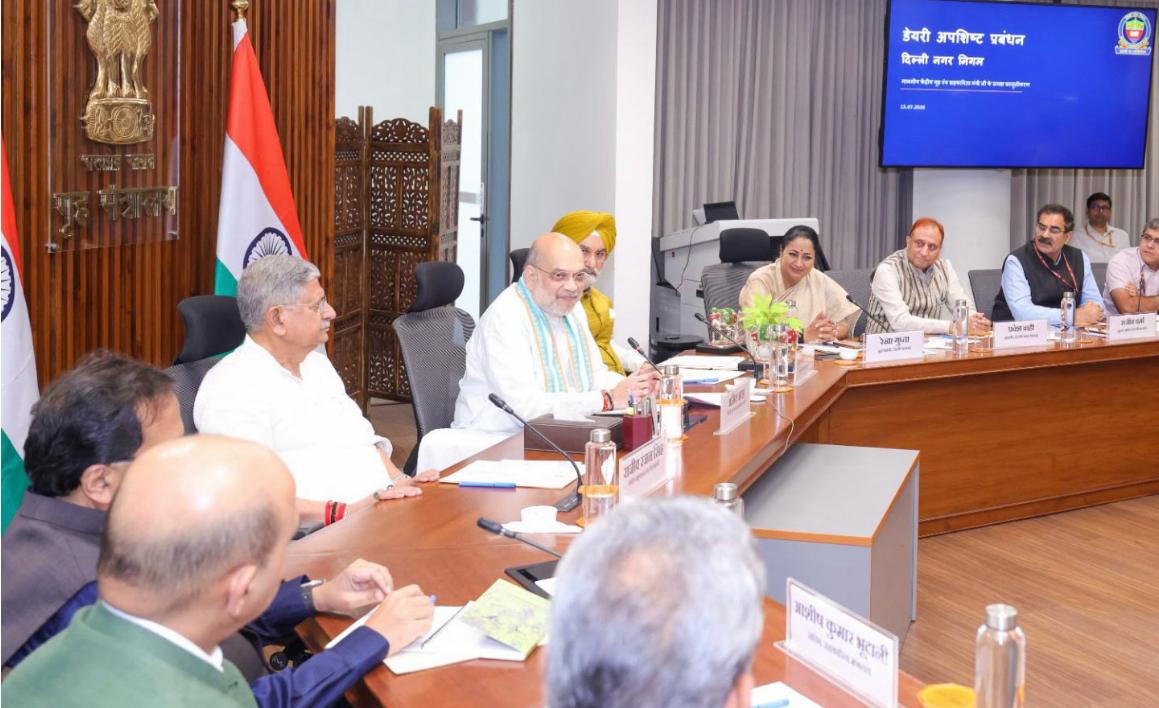
Delhi is preparing to take a significant step towards sustainable waste management and rural economic empowerment with a cow dung-based income model that could transform livestock waste into a valuable economic resource. The initiative is expected to benefit dairy owners, improve sanitation, reduce environmental pollution, and support India’s growing bio-economy.
The proposed model is based on a simple yet impactful idea—rather than treating cow dung as waste, it can become a source of additional income for dairy farmers while contributing to clean energy and organic agriculture. Similar initiatives in different parts of India have already demonstrated that cattle waste can be converted into biogas, bio-CNG, organic manure, and other eco-friendly products, creating a sustainable value chain. (Source: The Indian Express)
A New Income Opportunity for Dairy Farmers
For thousands of dairy owners in and around Delhi, milk remains the primary source of income. However, managing cattle waste has always been a challenge. Improper disposal often leads to unhygienic conditions, foul odours, and pollution of nearby drains and water bodies.
Under the proposed model, dairy owners can earn by selling cow dung to authorised collection centres or biogas facilities. Instead of paying for waste disposal, farmers receive financial returns from material that was previously discarded.
This additional income can significantly improve the financial stability of small dairy operators while encouraging better waste management practices. Similar procurement-based models in Gujarat have shown how cow dung can become a parallel revenue stream alongside milk production. (Source: The Indian Express)
Turning Waste into Clean Energy
Cow dung is one of the most effective raw materials for producing biogas. Through anaerobic digestion, organic waste is converted into methane-rich gas, which can be purified into Bio-CNG for commercial use. The remaining slurry becomes nutrient-rich organic fertiliser suitable for agriculture.
Delhi has already initiated projects that process hundreds of tonnes of cattle waste every day into renewable energy, reducing dependence on conventional fossil fuels while addressing waste disposal issues. (Source: Navbharat Times)
The initiative aligns with India’s broader renewable energy goals and supports efforts to reduce greenhouse gas emissions through sustainable waste utilisation.
Supporting a Circular Economy
Environmental experts increasingly advocate for circular economy models where waste generated by one sector becomes a valuable resource for another. In the proposed system:
Dairy farms generate cow dung.
Collection centres transport the waste.
Biogas plants convert it into renewable fuel.
Organic fertiliser returns to farms and agricultural fields.
Industries and transport sectors benefit from clean energy.
Such an integrated ecosystem reduces landfill waste while creating employment opportunities across collection, transportation, processing, and manufacturing.
Environmental Benefits Beyond Income
The environmental impact of unmanaged cattle waste extends far beyond unpleasant surroundings. When dumped into open spaces or drains, organic waste contributes to water pollution, methane emissions, and public health concerns.
Scientific waste processing offers several advantages:
Experts also note that organised collection systems can significantly improve urban sanitation while reducing pressure on municipal waste infrastructure. (Source: Navbharat Times)
Lessons from Successful Models
Several Indian states have already demonstrated the economic potential of cattle waste.
In Gujarat, dairy cooperatives purchase dung from farmers and use it for Bio-CNG production and organic fertiliser manufacturing. This model has created an additional income stream for livestock owners while strengthening rural sustainability. (Source: The Indian Express)
These success stories indicate that integrating waste collection with renewable energy infrastructure can generate long-term economic and environmental benefits.
Challenges That Need Attention
While the concept is promising, successful implementation depends on careful planning. Some key challenges include:
- Establishing reliable collection networks.
- Maintaining consistent quality of raw material.
- Creating sufficient processing infrastructure.
- Ensuring timely payments to dairy farmers.
- Building awareness among livestock owners.
- Efficient transportation and storage systems.
Without coordinated efforts among civic agencies, private operators, and dairy communities, achieving large-scale success may prove difficult.
Employment Generation Potential
Beyond dairy farmers, the initiative could create opportunities across multiple sectors. New jobs may emerge in:
- Waste collection
- Transportation
- Processing facilities
- Organic fertiliser production
- Bio-CNG distribution
- Equipment maintenance
- Rural entrepreneurship
As India’s green economy expands, waste-to-energy projects are expected to become an important source of employment while supporting climate goals.
Boosting Sustainable Agriculture
The organic manure produced after biogas generation contains valuable nutrients essential for improving soil fertility.
Farmers using bio-fertilisers often report improved soil structure and reduced dependence on chemical fertilisers. Increased adoption of organic inputs also supports sustainable farming practices and long-term environmental conservation.
This creates a complete cycle where livestock, energy production, and agriculture support each other.
A Step Towards India’s Green Future
India has been actively promoting renewable energy, sustainable agriculture, and waste-to-wealth initiatives under various national programmes. A structured cow dung-based income model complements these objectives by combining environmental protection with economic development.
If implemented effectively, Delhi’s initiative could serve as a model for other metropolitan regions facing similar challenges related to dairy waste management.
The initiative has the potential to improve farmers’ livelihoods, strengthen renewable energy production, reduce urban pollution, and promote responsible waste utilisation—all while demonstrating how traditional agricultural resources can contribute to a modern circular economy.